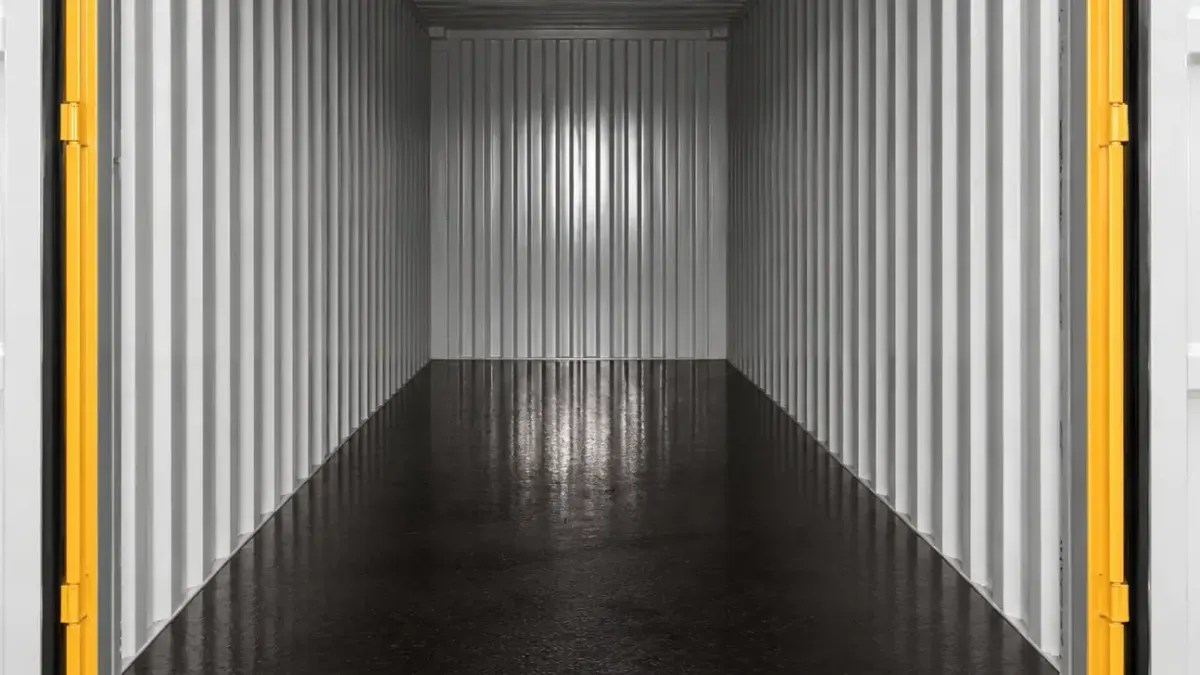
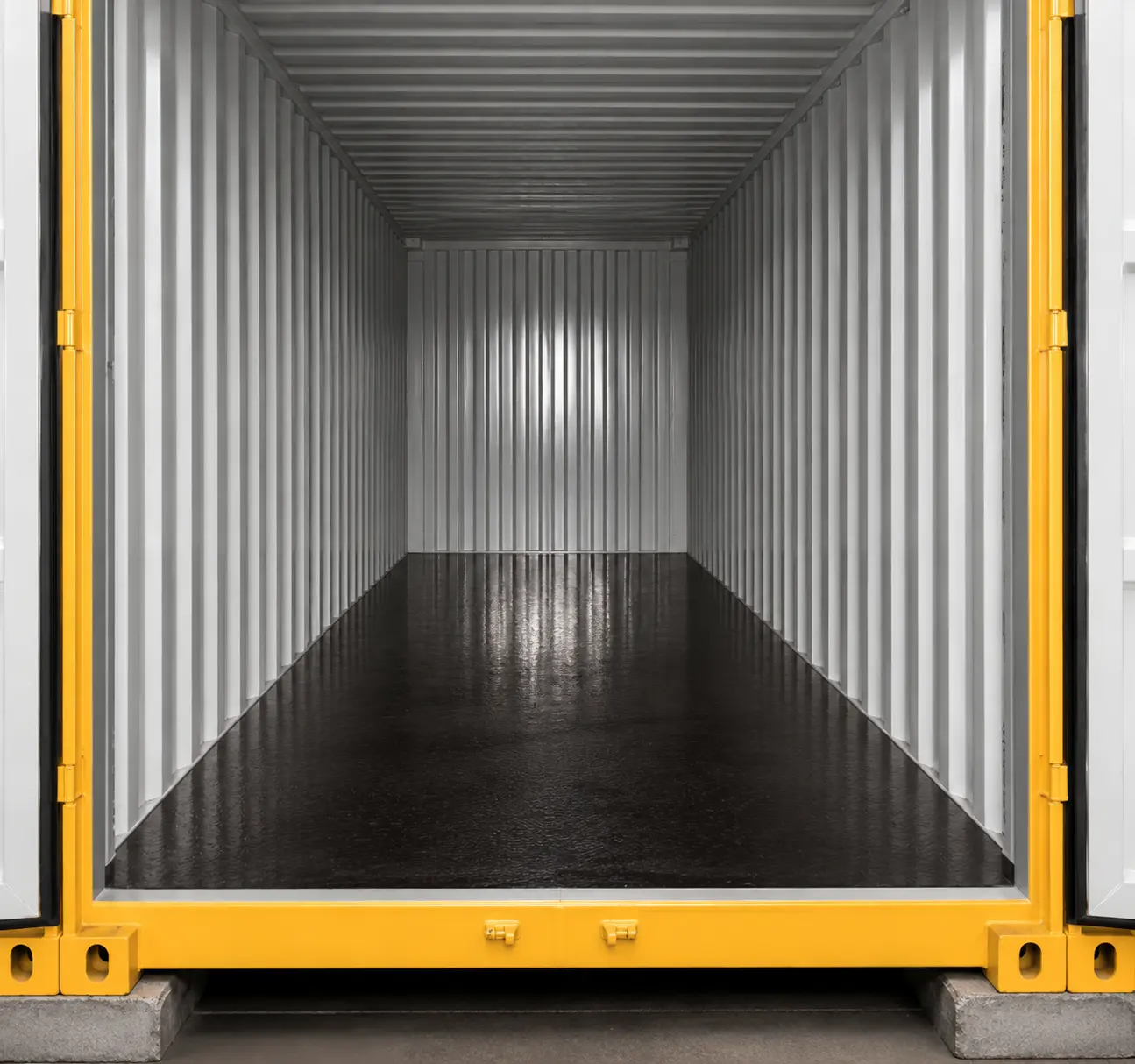
A shipping container floor carries forklifts, heavy cargo and years of loading cycles, often in humid ports and at sea. That is why container floors are made from thick, high-strength plywood and why the industry follows guidance from the Institute of International Container Lessors (IICL).
This guide explains what container flooring standards cover, the key specifications, the difference between IICL and marine grade floorboards, and how to choose plywood for repair or new builds.
Key Takeaways
- Container floors use 28mm structural plywood for strength, stiffness and nail/screw holding.
- IICL technical bulletins (such as TB-001) set out requirements for container floor plywood.
- IICL grade suits new builds and heavy repair; marine grade is mainly for repair and replacement.
- Standard panel sizes are 2440 × 1220 mm and 2400 × 1160 mm.
Why Container Floors Use Plywood
- Strength-to-weight: high load capacity without adding steel weight.
- Fastener holding: floorboards are screwed to steel cross members.
- Grip and lashing: cargo can be nailed or chocked to a wooden floor.
- Repairability: damaged sections can be cut out and replaced.
What Is IICL and What Do the Standards Cover?
The IICL is an association of container leasing companies. It publishes inspection criteria and technical bulletins that the industry uses for container manufacturing, inspection and repair. Its technical bulletins, such as TB-001, set out the requirements for container floor plywood.
In practice, buyers look at:
- Thickness and panel dimensions that fit standard ISO containers
- Bending strength, verified by a bend test
- Bond durability, verified by boiling water testing
- Treatment, where required by the destination country's quarantine rules
Key Specifications of Container Flooring Plywood
| Specification | ZIPCO® Container Flooring Plywood |
|---|---|
| Thickness | 28 mm |
| Panel sizes | 2440 × 1220 mm and 2400 × 1160 mm |
| Grades | IICL Grade and Marine Grade |
| IICL bend test | 6780 N |
| Boiling water test | Pass |
IICL Grade vs Marine Grade
| IICL Grade | Marine Grade | |
|---|---|---|
| Primary use | New container manufacturing and heavy repair | Repair and replacement flooring |
| Performance level | Built to IICL requirements | Durable, cost-effective repair option |
| Typical buyer | Container manufacturers, lessors | Container depots, repair yards |
When Does a Container Floor Need Repair?
During inspection, look for:
- Holes, cracks or broken boards
- Delamination or loose top veneers
- Soft or spongy areas that indicate water damage
- Loose or missing floor screws
- Oil, chemical or odour contamination that cannot be cleaned
Small damage can be patched; larger areas are cut back to the nearest cross members and replaced with new boards of the same thickness.
Other Transport Flooring Options
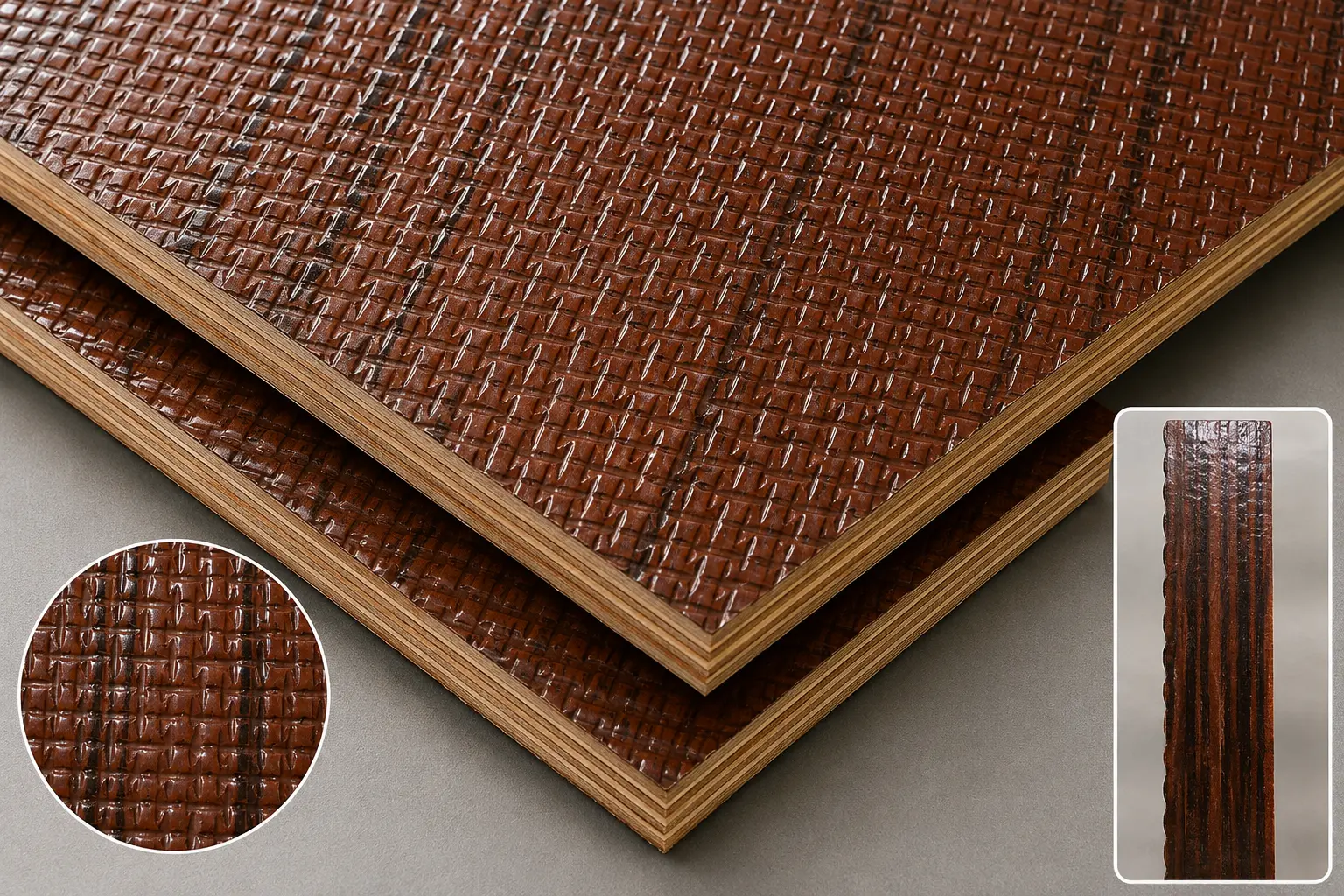
The same principles apply to road transport. For trucks and trailers, truck flooring plywood and chequered anti-slip plywood provide grip, impact resistance and easy fabrication.
Frequently Asked Questions
What thickness is container flooring plywood?
What is IICL TB-001?
What is the difference between IICL and marine grade container flooring?
Do you export container flooring plywood?
Need a bulk quote?
Share your thickness, size, quantity and delivery location. Our trade desk replies with specifications and pricing for domestic and export orders.