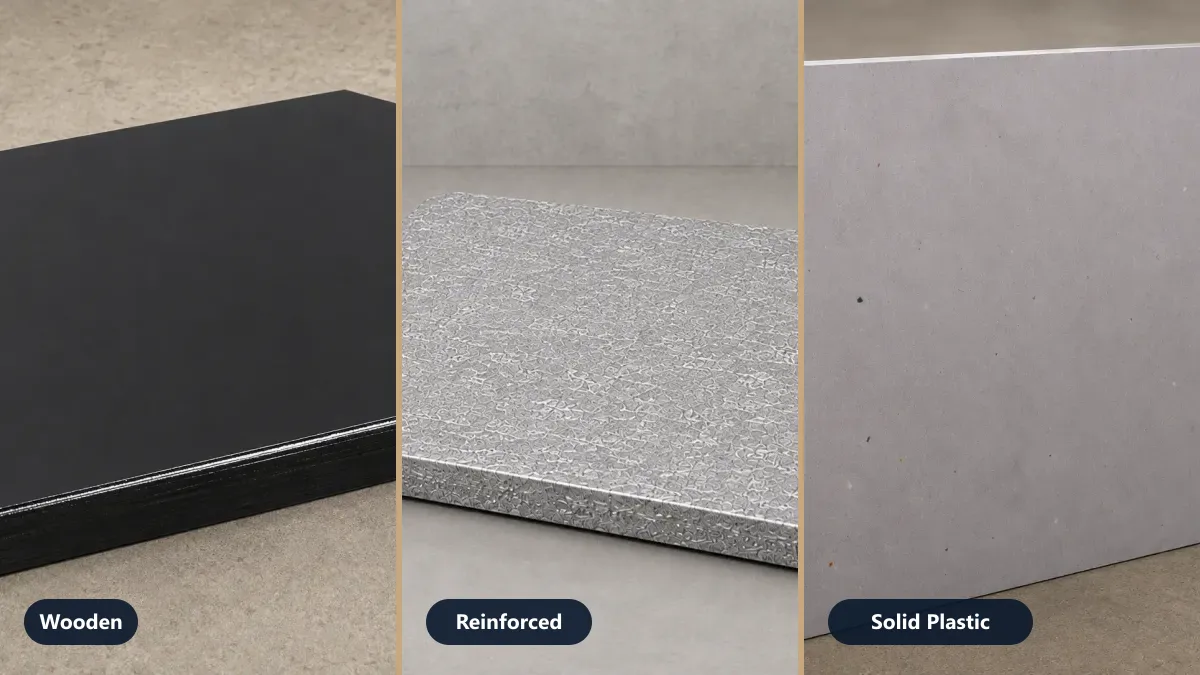
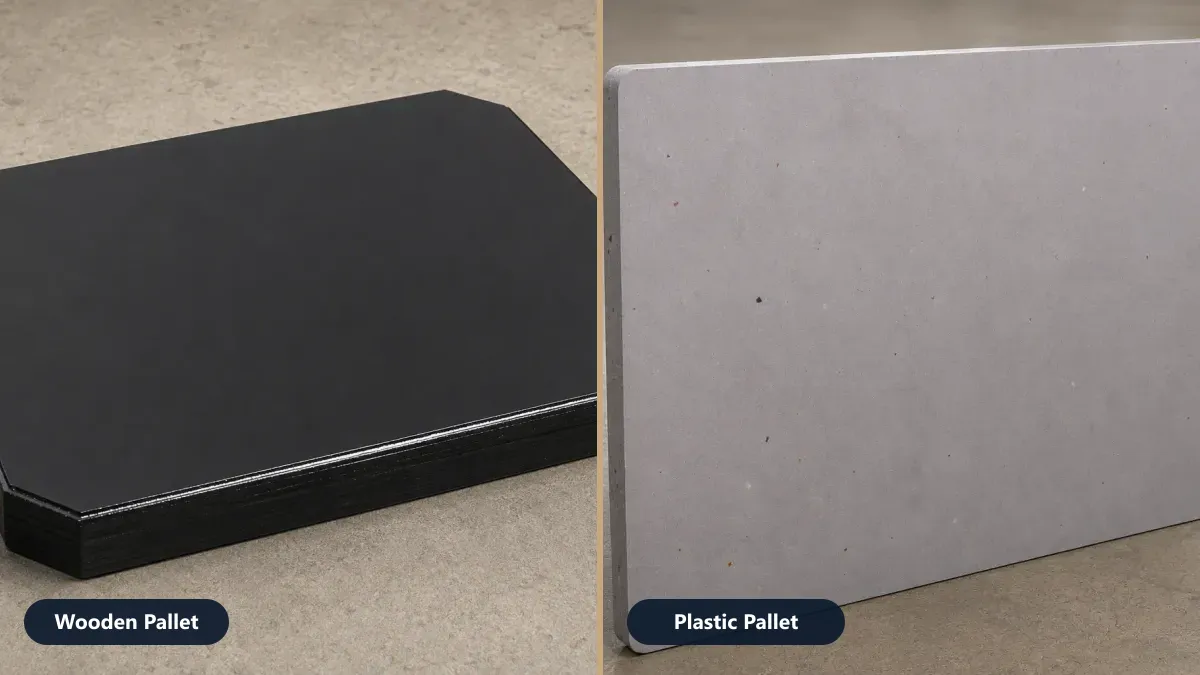
For brick and block plants, the choice between plastic and wooden pallets is one of the biggest equipment decisions after the machine itself. A plant may run hundreds of pallets, so the difference in price, service life and maintenance adds up quickly.
This guide compares the two objectively and shows how to work out which gives the better return for your operation.
Key Takeaways
- Wooden pallets cost less upfront and are easy to repair, but are vulnerable to moisture.
- Plastic pallets are waterproof, consistent in thickness and rated for 5–10 years.
- Compare on cost per year of service, including rejects and downtime.
- Many plants start with wooden pallets and move to plastic or reinforced pallets as output grows.
Plastic vs Wooden Pallets at a Glance
| Factor | Wooden pallet | Plastic pallet |
|---|---|---|
| Upfront cost | Lower | Higher |
| Service life | Depends on moisture and care | 5–10 years (solid plastic) |
| Water resistance | Needs film and edge protection | 100% waterproof |
| Thickness consistency | Good when calibrated | Very consistent |
| Vibration transfer | Good | Good (higher density = stiffer) |
| Maintenance | Periodic repair of film and edges | Wash and inspect |
| Repairability | Easy | Limited, but rarely needed |
| Thickness range (ZIPCO®) | 18–40mm | 8–30mm |
Wooden Pallets: Pros and Cons
Advantages
- Lower initial investment, ideal for new plants and tight budgets.
- Good vibration transfer for compaction.
- Easy to repair locally.
Limitations
- Plain wood absorbs water from the mix and curing, which can cause swelling and warping.
- Edges wear and chip without protection.
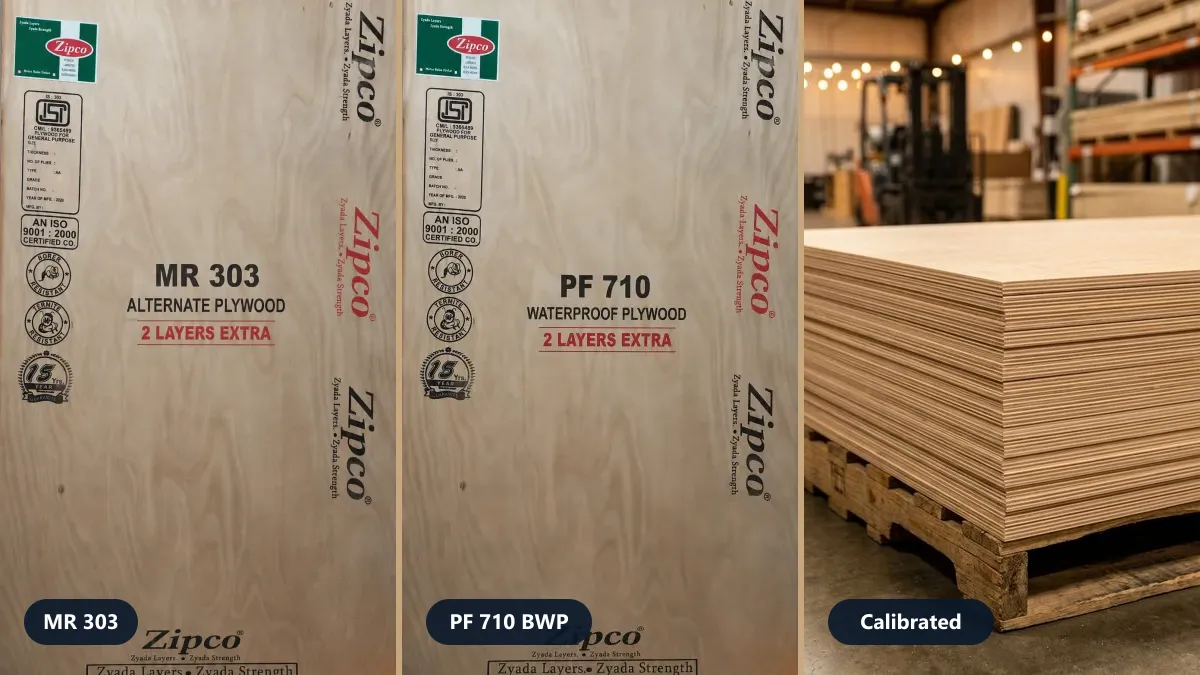
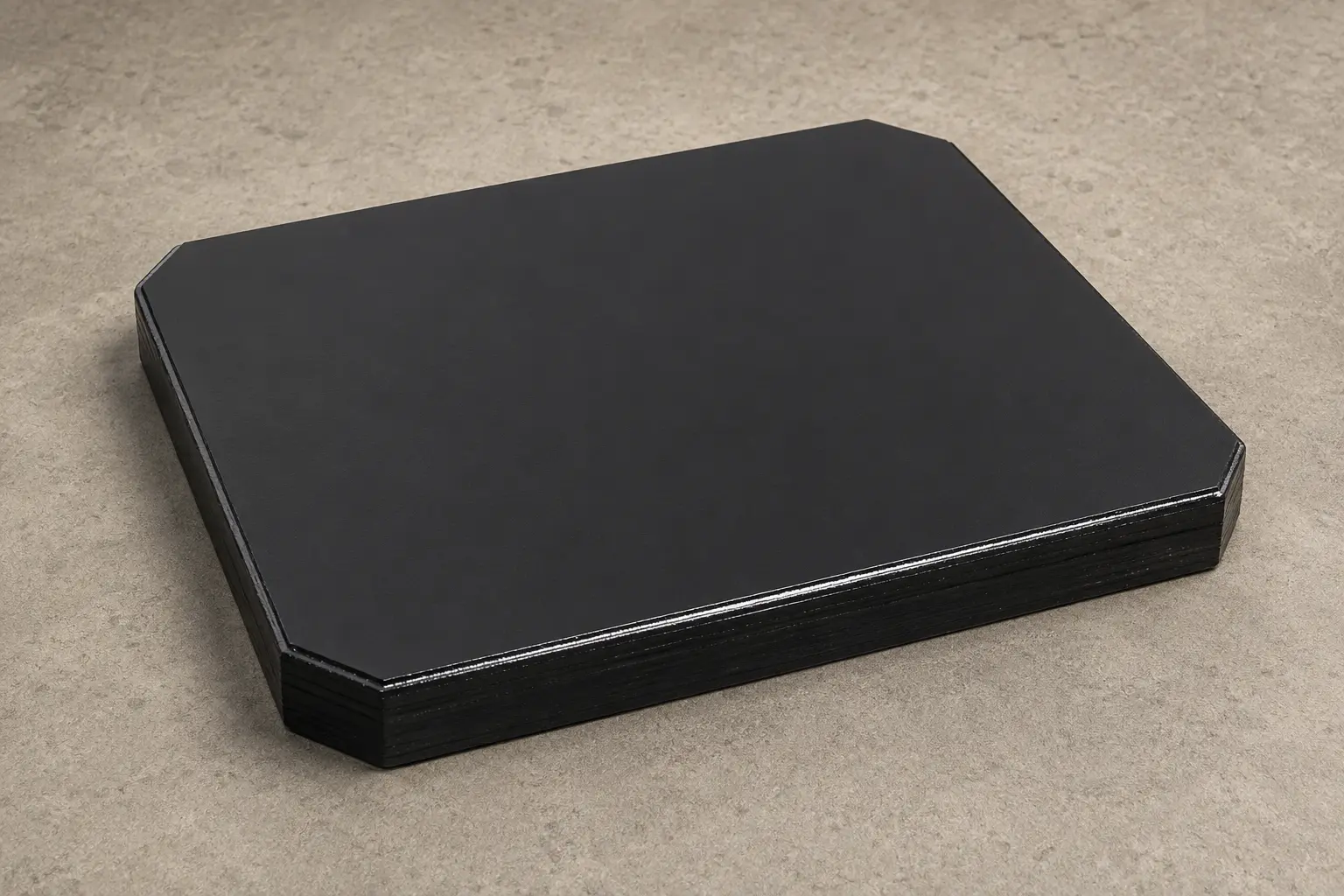
ZIPCO® wooden pallets address these limits with seasoned hardwood, a high-GSM black film surface and C-channel steel edges.
Plastic Pallets: Pros and Cons
Advantages
- 100% waterproof: no swelling, rotting or warping from moisture.
- Long service life of 5–10 years for ZIPCO® solid plastic pallets.
- Consistent thickness for uniform block height.
- Easy to clean; heat resistant for steam curing.
Limitations
- Higher upfront cost.
- Thickness must be chosen correctly for the load, or thin pallets may flex.
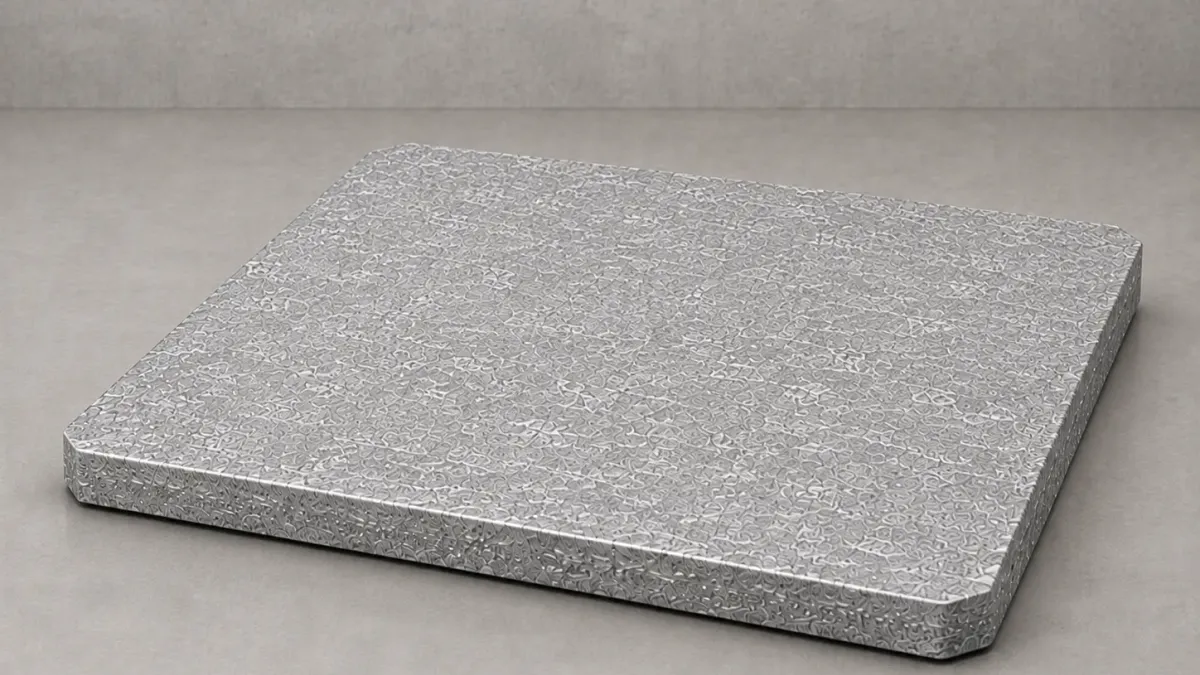
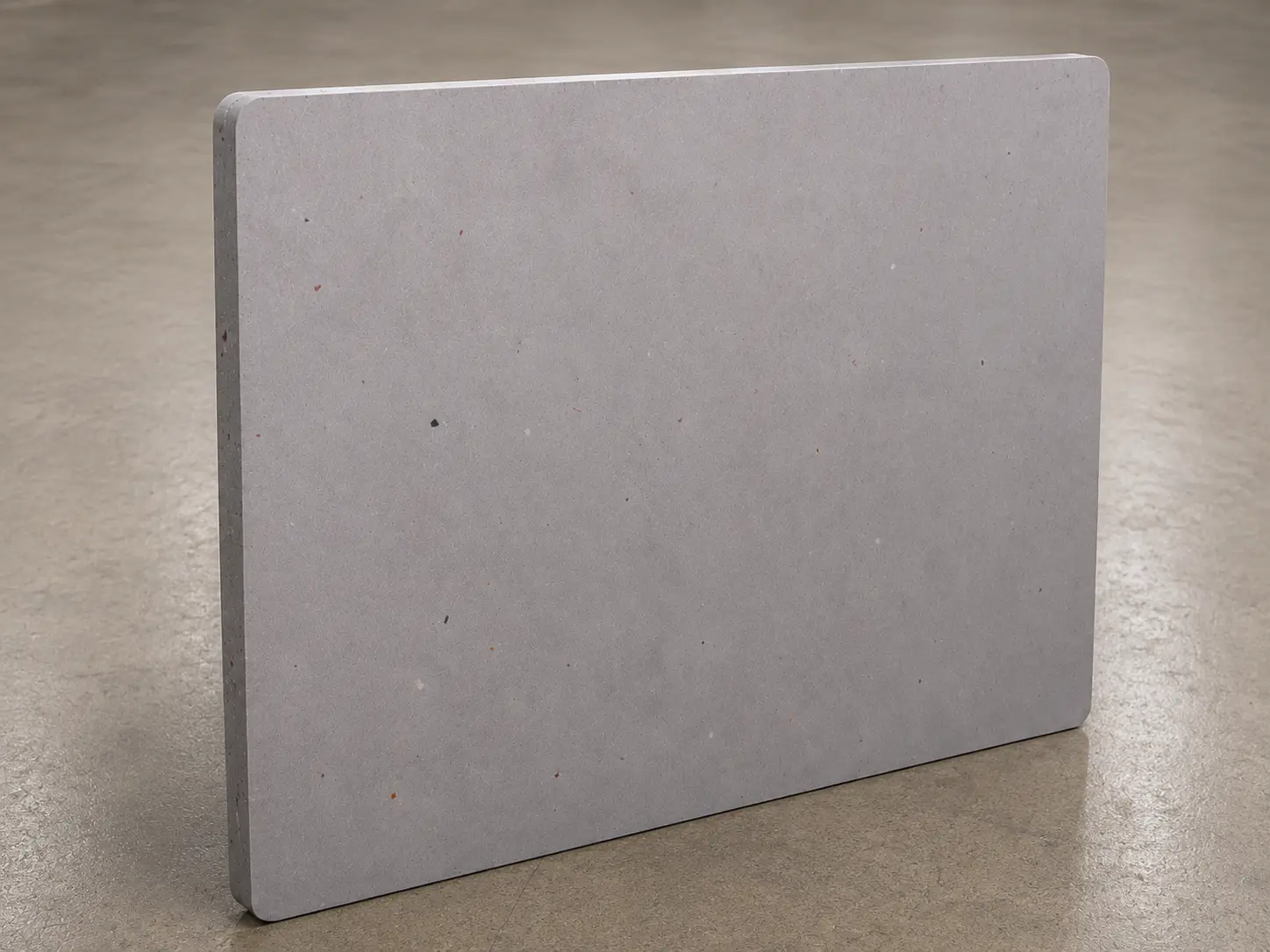
For heavy pavers and hollow blocks, metal reinforced and steel reinforced pallets add rigidity.
Cost per Year: Working Out the Real ROI
Illustrative example using a base price of X (replace with your actual quotes and experience):
| Wooden | Plastic | |
|---|---|---|
| Price per pallet | X | 2.5 X |
| Assumed service life | 2 years | 8 years |
| Cost per year | 0.50 X | 0.31 X |
On top of this, add the hidden costs that a failing pallet causes: rejected blocks, machine stoppages to swap pallets, and labour for repairs.
Which Should You Choose?
- Choose wooden if you are starting out, have limited capital, air-cure your bricks and can maintain pallets regularly.
- Choose solid plastic if you water- or steam-cure, want minimal maintenance and plan to run the plant for years.
- Choose reinforced plastic for heavy pavers, hollow blocks and high-vibration automatic lines.
For specifications and a selection table, read our Fly Ash Brick Pallets Guide.
Frequently Asked Questions
Are plastic pallets better than wooden pallets for brick machines?
How long do wooden brick pallets last?
Can I use plastic and wooden pallets on the same machine?
Do you offer recycled plastic pallets?
Need a bulk quote?
Share your thickness, size, quantity and delivery location. Our trade desk replies with specifications and pricing for domestic and export orders.