Every fly ash brick, paver and concrete block is formed and cured on a pallet. The pallet carries the mix through compaction and vibration, moves it along the conveyor and supports it during curing, so its flatness, strength and water resistance directly affect block quality and plant output.
This guide covers the main pallet types, the specifications that matter, and a simple way to choose the right pallet for your machine and product.
Key Takeaways
- There are four main types: wooden, solid plastic, metal reinforced and steel reinforced.
- Pallet size must match your machine; thickness and reinforcement must match the block load.
- Plastic and reinforced pallets are waterproof and last 5–10 years in suitable conditions.
- Ask for a sample and test it through a full production and curing cycle before ordering in bulk.
What Is a Fly Ash Brick Pallet?
A brick or block machine pallet is a flat board placed under the mould. The machine fills the mould, compacts and vibrates the mix, then lifts the mould away, leaving green blocks on the pallet. The loaded pallet then moves to a stacker or curing area.
A good pallet must stay flat (for uniform block height), rigid (to transmit vibration into the block, not absorb it) and durable through thousands of wet cycles.
Types of Fly Ash Brick Pallets
Wooden pallets
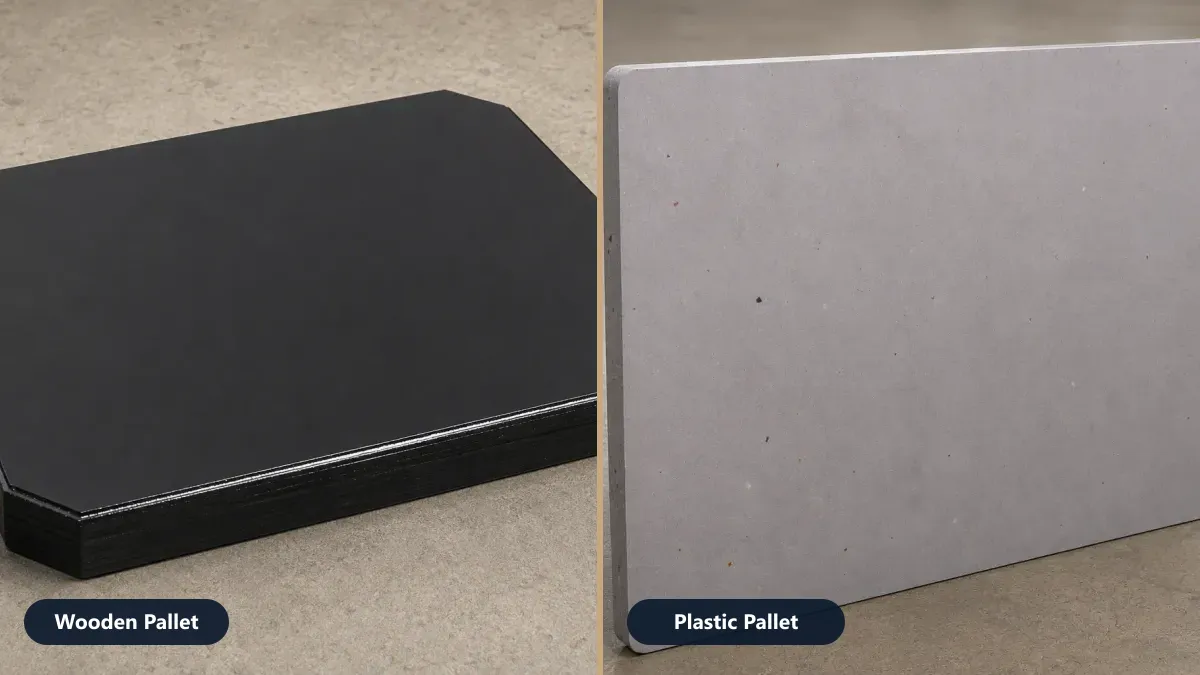
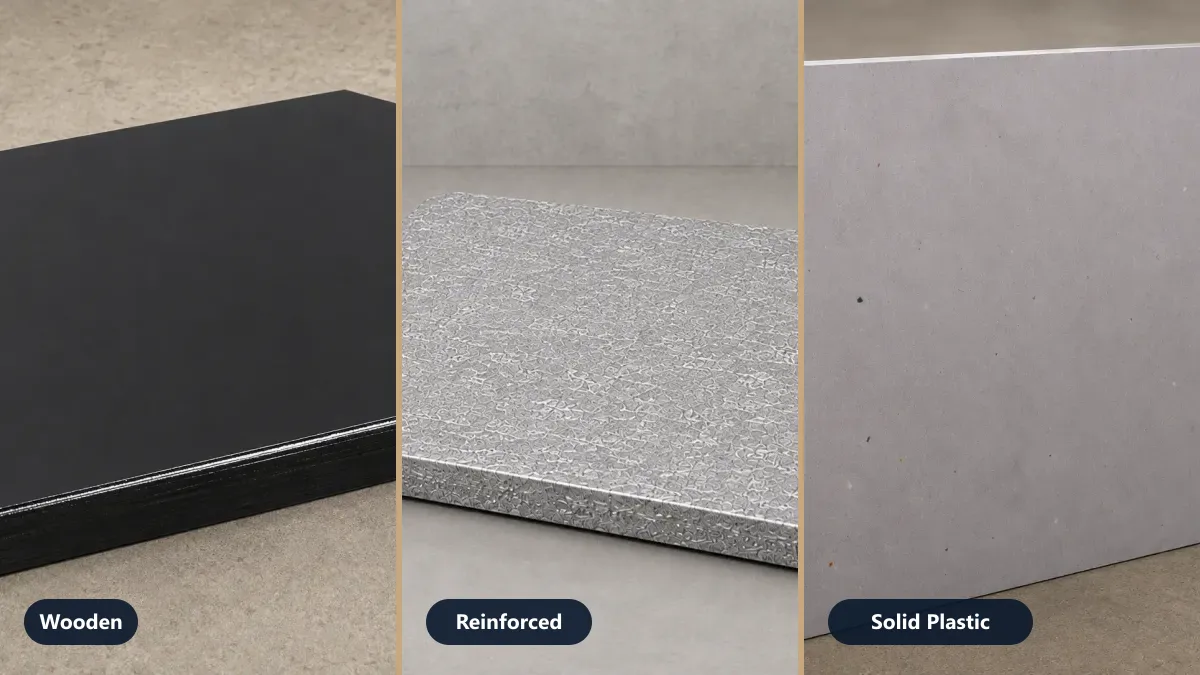
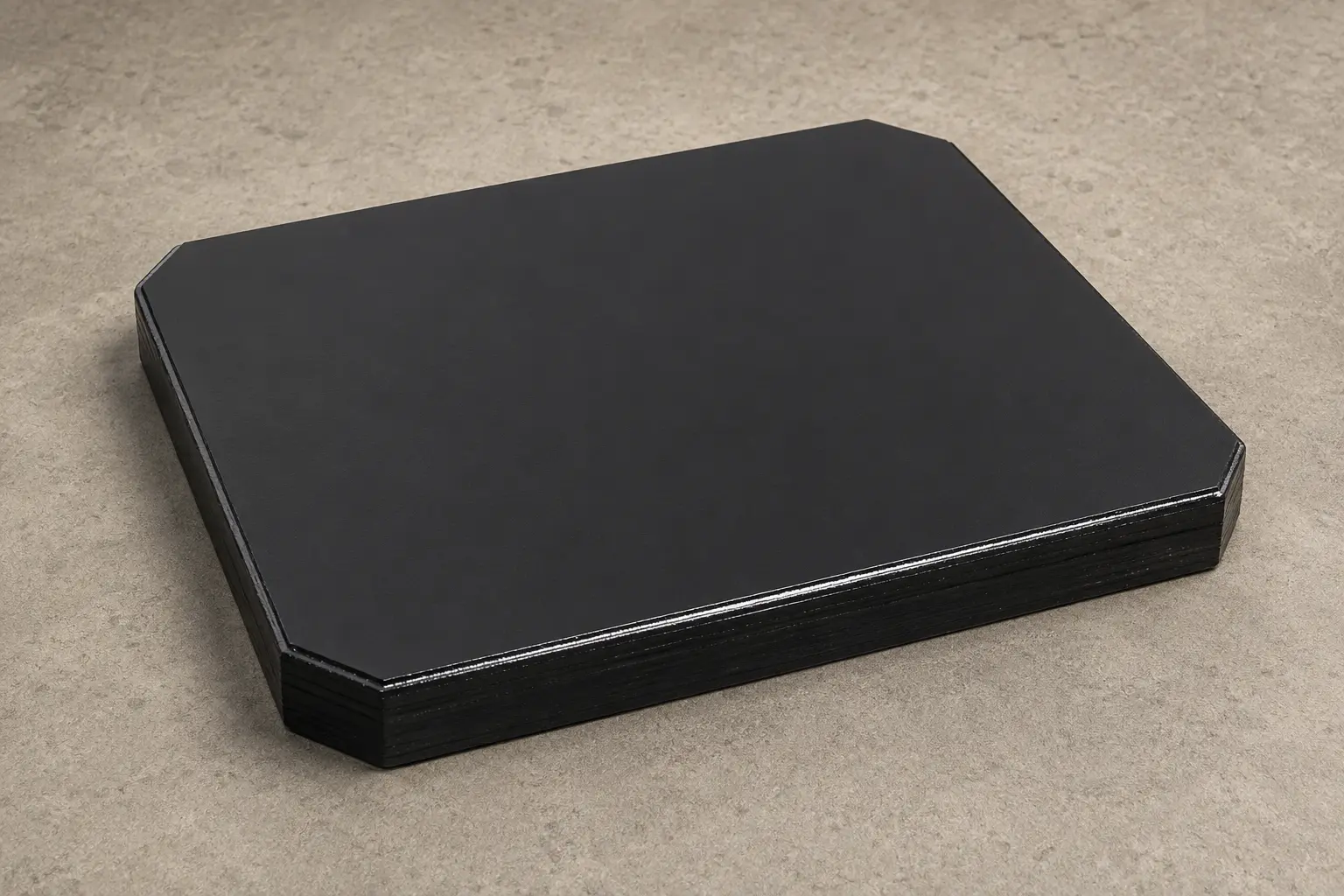
ZIPCO® wooden pallets use seasoned hardwood with a high-GSM black film surface and C-channel steel borders that protect the edges. They are economical, easy to repair and available from 18 to 40mm thick.
Solid plastic pallets
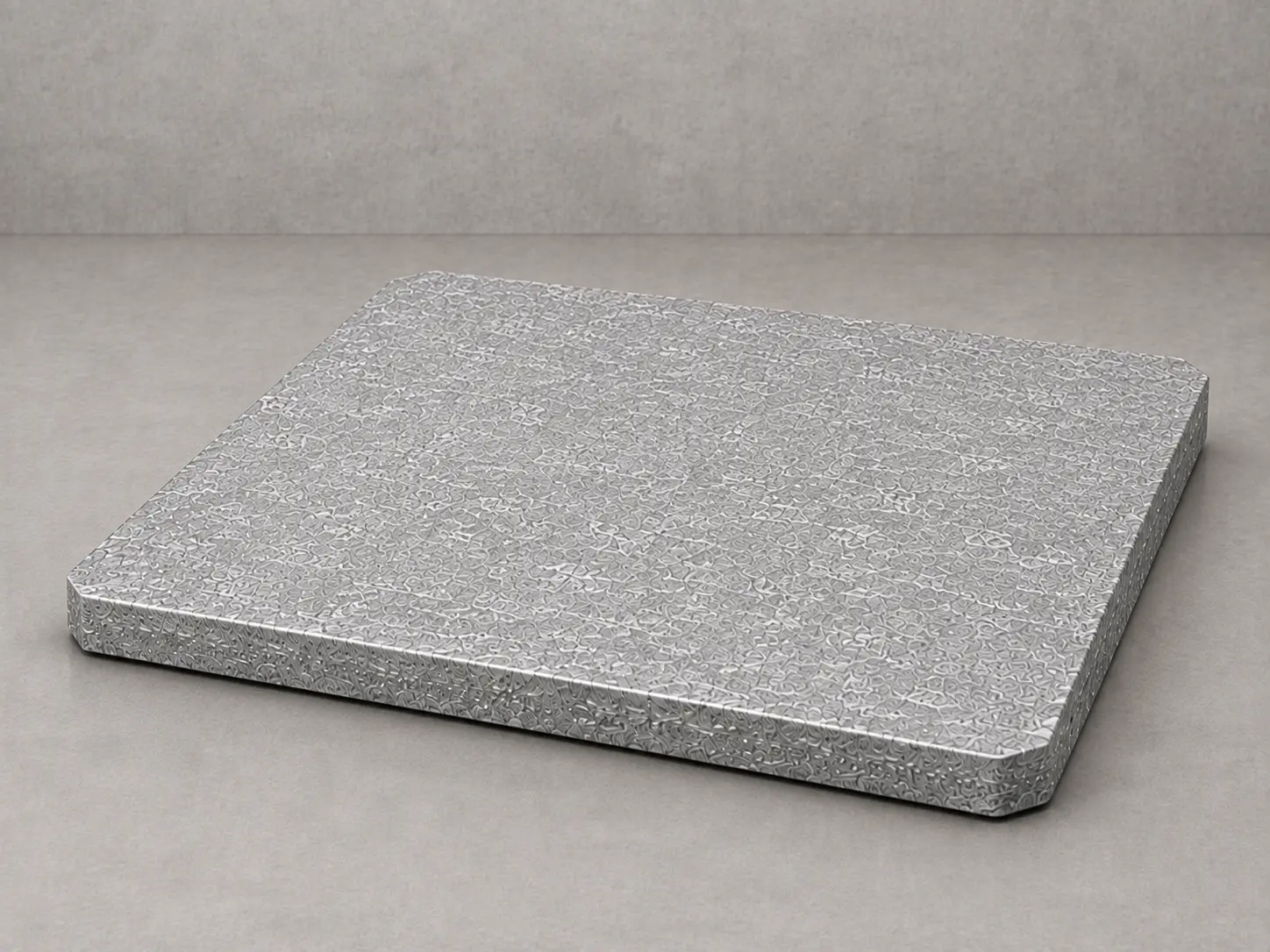
ZIPCO® solid plastic pallets are made from LDPE and aluminium oxide with a density of 1.40 g/cm³. They are 100% waterproof, heat resistant, available from 8 to 30mm, and rated for 5–10 years.
Metal reinforced pallets
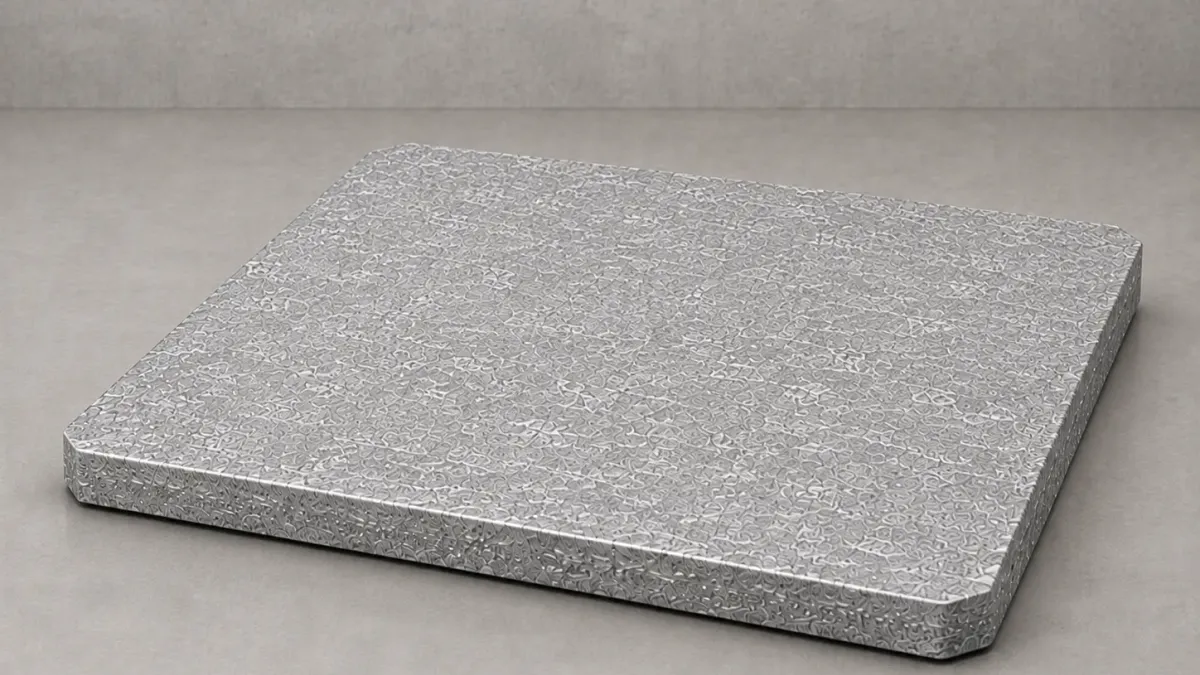
Metal reinforced pallets combine a moulded plastic body with integrated metal reinforcement for higher rigidity. They are rated for 5–6 years.
Steel reinforced pallets
Steel reinforced pallets use 9–12mm steel tubes (2.5–3.0mm wall) for maximum rigidity and zero bending under wet loads, with a 7–8 year service life.
Key Specifications to Check
| Specification | Why it matters |
|---|---|
| Size (length × width) | Must match your machine's pallet guides and mould |
| Thickness | Thicker pallets resist bending under heavier blocks and stronger vibration |
| Density / material | Higher density means more stiffness and wear resistance |
| Flatness and thickness consistency | Keeps block height uniform across the pallet |
| Edge protection | Prevents chipping from stackers and forklifts |
| Water and heat resistance | Essential for water or steam curing |
Selection Table: Which Pallet for Which Product
| Product / condition | Suggested pallet |
|---|---|
| Standard fly ash bricks, budget-sensitive start-up | Wooden (black film, C-channel edges) |
| Fly ash bricks, water curing, long life | Solid plastic |
| Paver blocks | Metal reinforced or solid plastic |
| Hollow and solid concrete blocks | Steel reinforced |
| High-vibration automatic lines | Steel or metal reinforced |
Cost and Return on Investment
Compare pallets on cost per year of service, not on purchase price alone:
Also factor in fewer rejected blocks, less downtime for pallet changes and lower maintenance. For a detailed comparison, see Plastic vs Wooden Brick Pallets.
Buying Checklist
- Machine make, model and pallet size from the manual
- Block type, size and number of blocks per cycle
- Curing method (air, water or steam)
- Required quantity and delivery location
- Sample trial through at least one full production and curing cycle
Already seeing bent or cracked pallets? Read why pallets bend or crack and how to prevent it.
Frequently Asked Questions
Which pallet is best for a fly ash brick machine?
What sizes are fly ash brick pallets available in?
How long do plastic brick pallets last?
Are plastic pallets waterproof?
Need a bulk quote?
Share your thickness, size, quantity and delivery location. Our trade desk replies with specifications and pricing for domestic and export orders.