In a fly ash brick or concrete block plant, the pallet is the base every block is formed on. When pallets bend, warp or crack, the machine still runs but the blocks start to vary in height, edges chip, and rejection rates climb quietly.
This article covers the six most common reasons pallets fail early, and how to choose a pallet type and thickness that stays flat for years.
Key Takeaways
- Pallets that are too thin for the block load and machine vibration are the most common cause of bending.
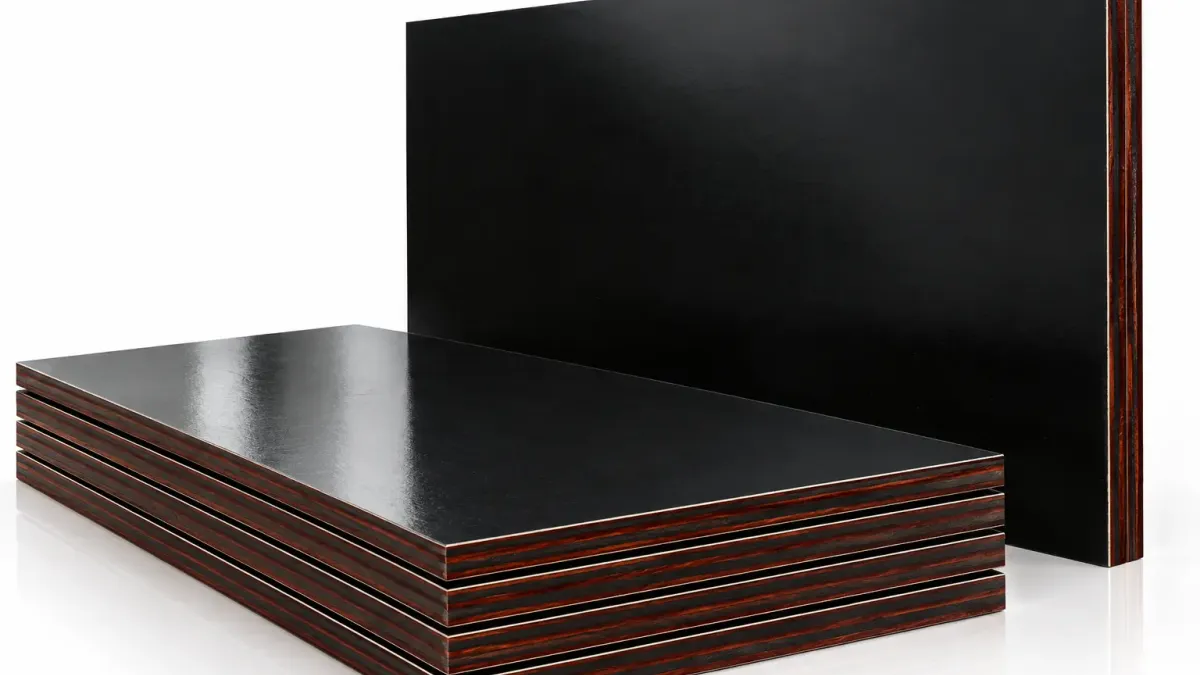
- Untreated wooden pallets absorb water and warp; black film and steel C-channel edges prevent this.
- Steel reinforced pallets (9–12mm steel tubes) offer the highest rigidity and a 7–8 year service life.
- Even support on conveyors and racks, and careful forklift handling, extend any pallet's life.
Why Pallet Flatness Matters
A block machine compacts and vibrates the mix on top of the pallet. If the pallet is not flat and rigid:
- Block height varies across the pallet, so blocks fail dimensional checks.
- Vibration energy is absorbed by the flexing pallet instead of compacting the block, reducing strength.
- Green blocks crack when a bent pallet moves along the conveyor or into the rack.
6 Common Causes of Bending and Cracking
1. Thickness too low for the load
Heavier blocks, more blocks per cycle and stronger vibration all need a thicker or reinforced pallet. A pallet that suits a light fly ash brick may bend under hollow blocks or pavers.
2. Moisture absorption in untreated wood
Plain wooden boards absorb water from the wet mix and curing, swell unevenly and warp. Protective film and sealed, steel-protected edges prevent this.
3. Heat and sun exposure
Pallets left in direct sun or near steam curing can soften (low-grade plastics) or dry out and crack (wood).
4. Uneven support
Pallets resting on damaged conveyor rollers or uneven rack arms bend over time, especially when loaded with green blocks.
5. Impact and handling damage
Forklift tines, dropping pallets and stacking on uneven ground cause cracks at corners and edges.
6. Low-density material
Low-density or filler-heavy plastic pallets lack stiffness. Density and the right reinforcement matter as much as thickness.
Pallet Types Compared
| Pallet type | Construction | Rated service life | Strength |
|---|---|---|---|
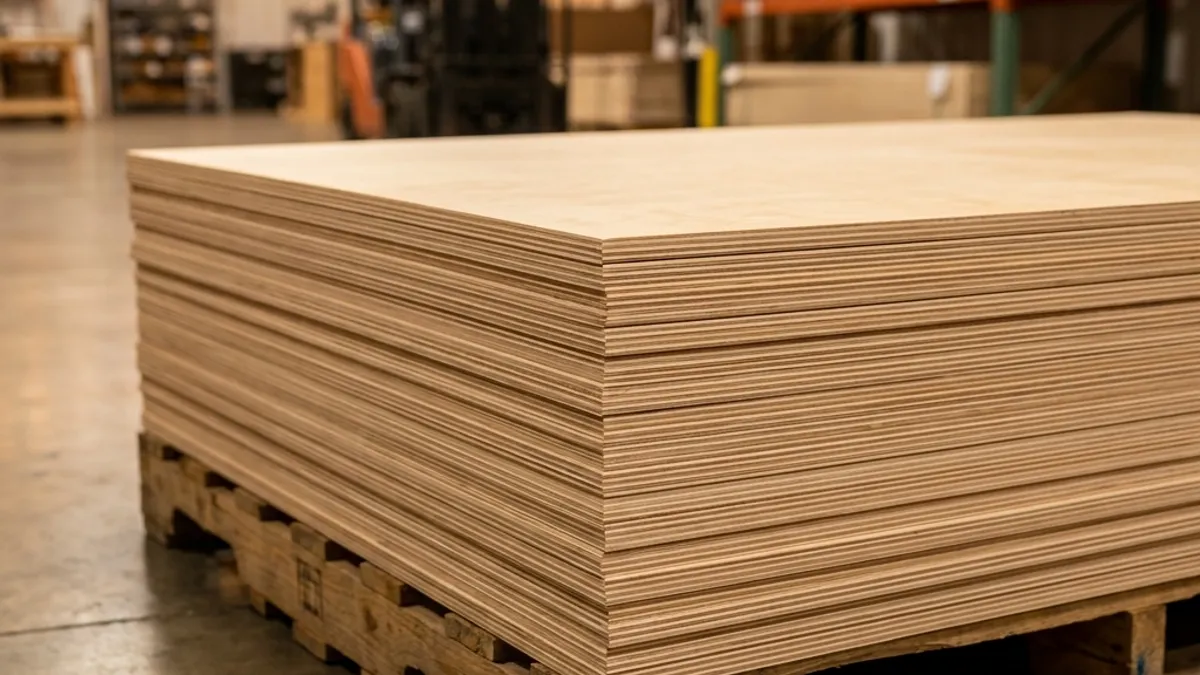
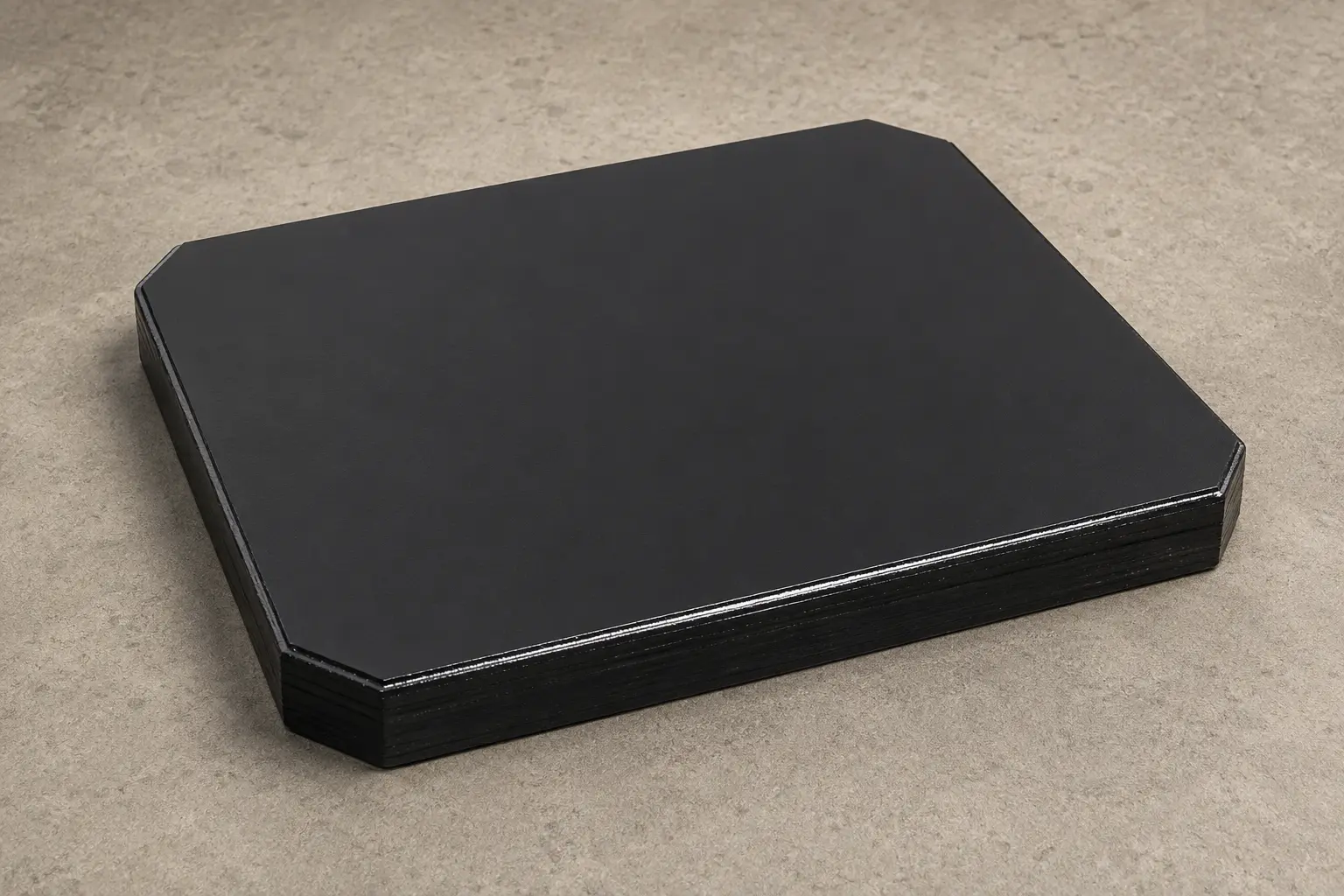
| Wooden | Seasoned hardwood, black film, C-channel steel edges; 18–40mm | Depends on care and moisture | Good, economical |
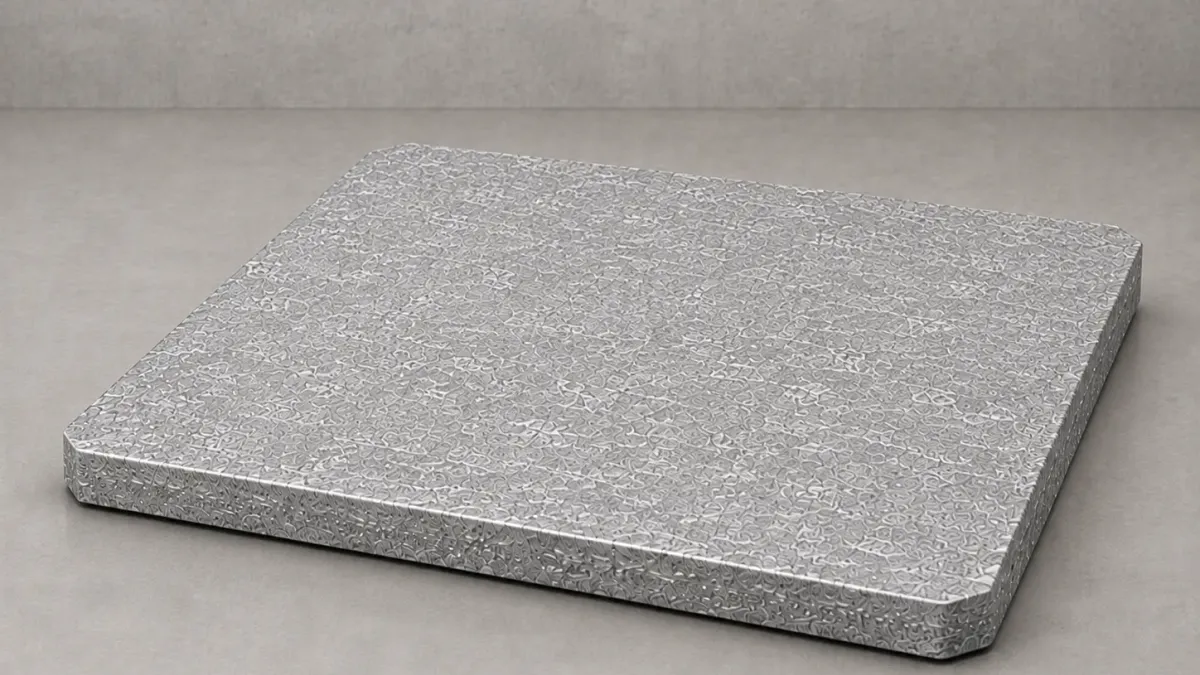
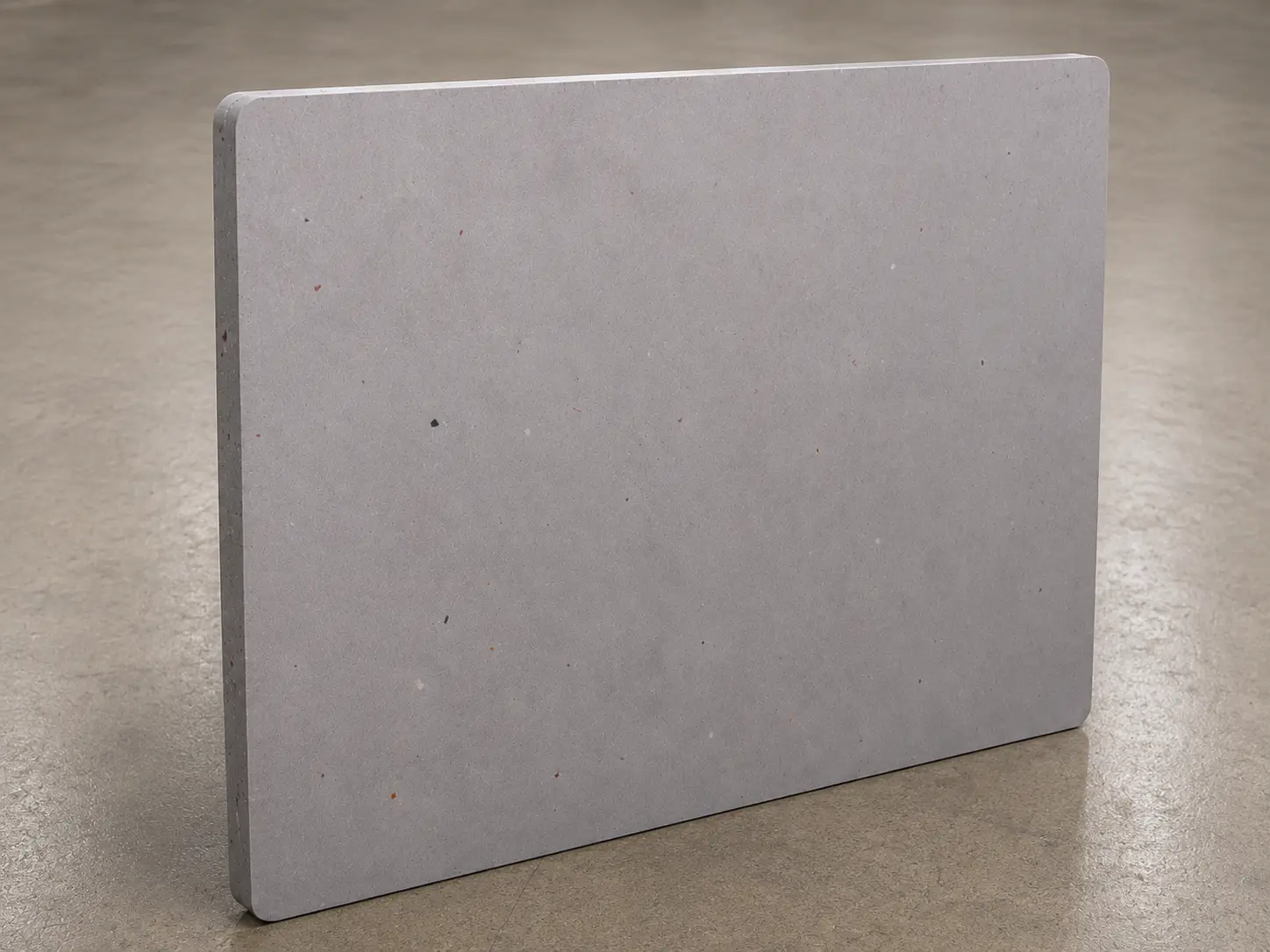
| Solid plastic | LDPE + aluminium oxide, 1.40 g/cm³; 8–30mm | 5–10 years | 100% waterproof, heat resistant |
| Metal reinforced | Moulded plastic with integrated metal reinforcement | 5–6 years | High rigidity |
| Steel reinforced | 9–12mm steel tubes, 2.5–3.0mm wall | 7–8 years | Highest; zero bending under wet loads |
For a deeper comparison of materials, see Plastic vs Wooden Brick Pallets.
How to Choose the Right Type and Thickness
- Start with your machine: note the pallet size, model and vibration type from the manufacturer's manual.
- Calculate the load per cycle: number of blocks × weight of each green block.
- Consider your curing method: water curing and steam curing favour waterproof plastic or reinforced pallets.
- Match the product to the job: light fly ash bricks suit wooden or solid plastic pallets; heavy pavers and hollow blocks suit metal or steel reinforced pallets.
- Ask for a sample and run it through a full production and curing cycle.
Maintenance Checklist
- Clean residue after every shift so it does not build up unevenly.
- Check conveyor rollers and rack arms regularly for damage or misalignment.
- Store spare pallets flat and out of direct sun.
- Rotate pallets so the same ones are not always under the heaviest load.
- Remove bent or cracked pallets quickly; one bad pallet can spoil a whole cycle.
Frequently Asked Questions
Which pallet is best for a fly ash brick machine?
What thickness should a fly ash brick pallet be?
How long do plastic fly ash brick pallets last?
Can you make pallets in custom sizes?
Need a bulk quote?
Share your thickness, size, quantity and delivery location. Our trade desk replies with specifications and pricing for domestic and export orders.