Ordinary plywood is sold by nominal thickness, so an "18mm" sheet can measure differently from one corner to another, and from one sheet to the next. For a simple bookshelf that rarely matters. For a modular kitchen, sliding wardrobe or CNC-cut furniture, it creates gaps, misaligned shutters and wasted time.
Calibrated plywood solves this by holding a uniform thickness across the whole sheet. Here is what it is, why it matters and how to check it.
Key Takeaways
- Calibrated plywood has a precision-controlled, uniform thickness across the entire sheet.
- It gives tight joints, accurate hinge and channel fitting, and consistent CNC depths.
- Laminates press flatter and edge banding sits evenly on calibrated boards.
- It is available in both MR and BWP (PF) grades. Calibration is about thickness, not water resistance.
What Is Calibrated Plywood?
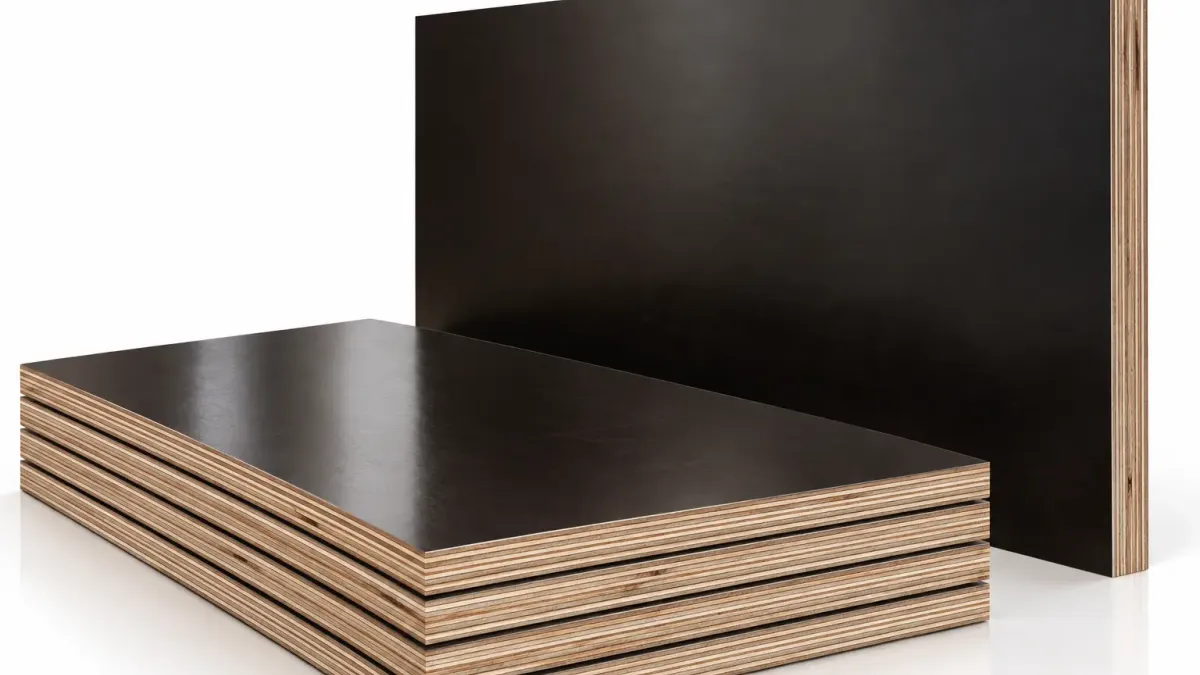
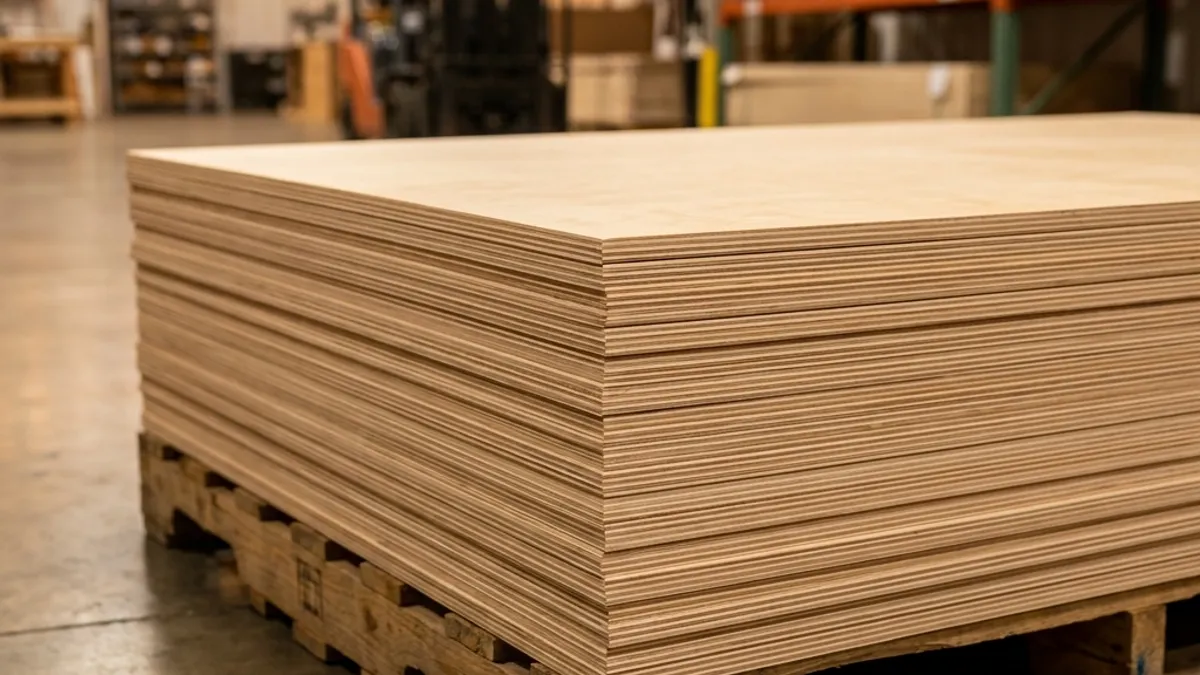
Calibrated plywood is plywood whose thickness is controlled to a tight tolerance during manufacturing, so every point on the sheet and every sheet in a batch measures the same. The result is a flat, uniform panel that behaves predictably in machining and assembly.
Calibration does not change the grade: you can buy calibrated MR plywood for dry interiors or calibrated BWP plywood for kitchens and wet areas.
Why Ordinary Plywood Thickness Varies
- Veneer variation: peeled veneers are never perfectly uniform.
- Core gaps and overlaps create thin and thick spots.
- Pressing variation across a large hot press.
On a single sheet these differences seem small, but they add up across a kitchen with dozens of panels.
Key Benefits of Calibrated Plywood
Tight joints and flush surfaces
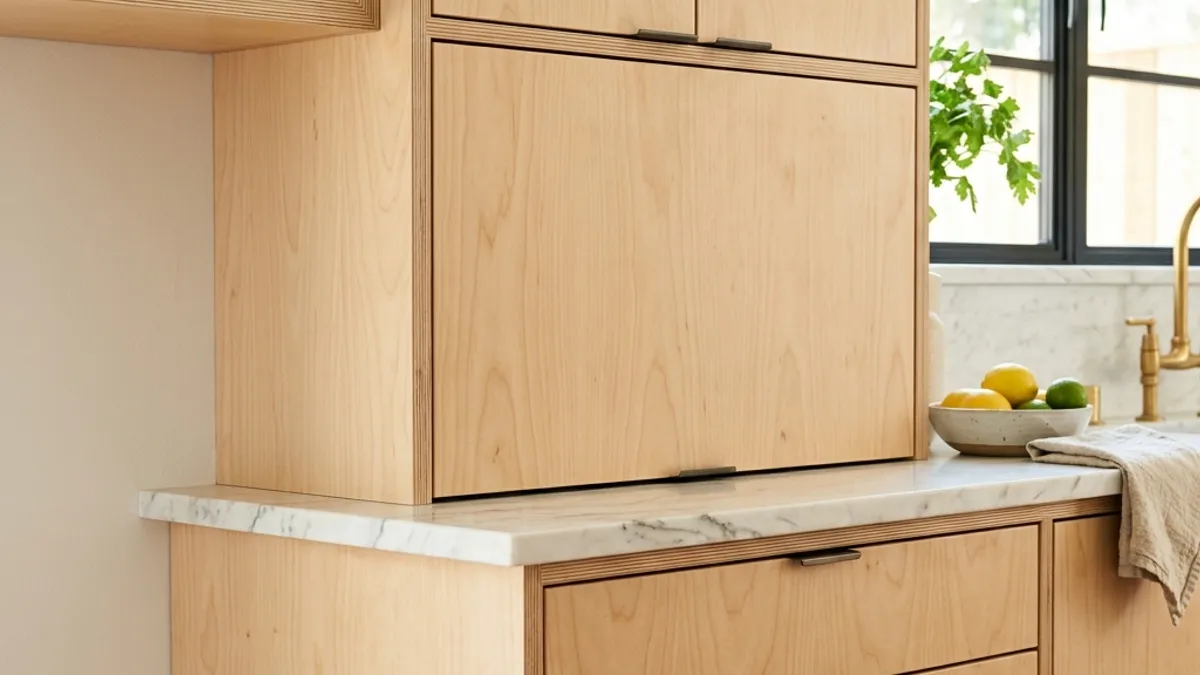
Carcass panels meet cleanly with no steps between them, so shutters align and gaps stay even.
Accurate hardware fitting
Concealed hinges, drawer channels and sliding-door tracks depend on precise thickness. Calibrated boards reduce packing and re-drilling.
CNC accuracy
CNC routers cut grooves and pockets to a set depth. Uniform thickness means consistent depths and parts that fit first time.
Better laminate and edge banding
Laminates press flat without waviness, and edge banding sits evenly along the whole edge.
Less rework and waste
Fewer rejected parts and faster assembly reduce total project cost.
Calibrated vs Non-Calibrated Plywood
| Factor | Calibrated | Non-calibrated |
|---|---|---|
| Thickness consistency | Uniform across sheet and batch | Varies |
| CNC machining | Consistent depths | Depths vary |
| Hardware fitting | Precise | May need adjustment |
| Laminate finish | Flat | Can show waviness |
| Best for | Modular kitchens, wardrobes, CNC furniture | General carpentry |
Where Calibrated Plywood Makes the Biggest Difference
- Modular kitchens, using calibrated BWP for base units and calibrated MR for wall units.
- Wardrobes with sliding shutters, where tracks need perfectly parallel panels.
- CNC-routed furniture and flat-pack production.
- Office workstations made in large, repeatable batches.
- System formwork: calibrated shuttering plywood sits flush in aluminium frames.
How to Check if Plywood Is Truly Calibrated
- Use a vernier caliper or micrometer.
- Measure each sheet at the four corners and the centre of each edge.
- Repeat on several sheets from the same batch.
- Readings should be consistent; large variation means the board is not properly calibrated.
ZIPCO® Calibrated Plywood is available in MR 303 and PF 710 grades, in 6, 9, 12, 16 and 18mm, in the standard 8 × 4 ft (2440 × 1220 mm) size.
Frequently Asked Questions
What does calibrated plywood mean?
Is calibrated plywood waterproof?
Is calibrated plywood good for modular kitchens?
Which thicknesses of calibrated plywood are available?
Need a bulk quote?
Share your thickness, size, quantity and delivery location. Our trade desk replies with specifications and pricing for domestic and export orders.