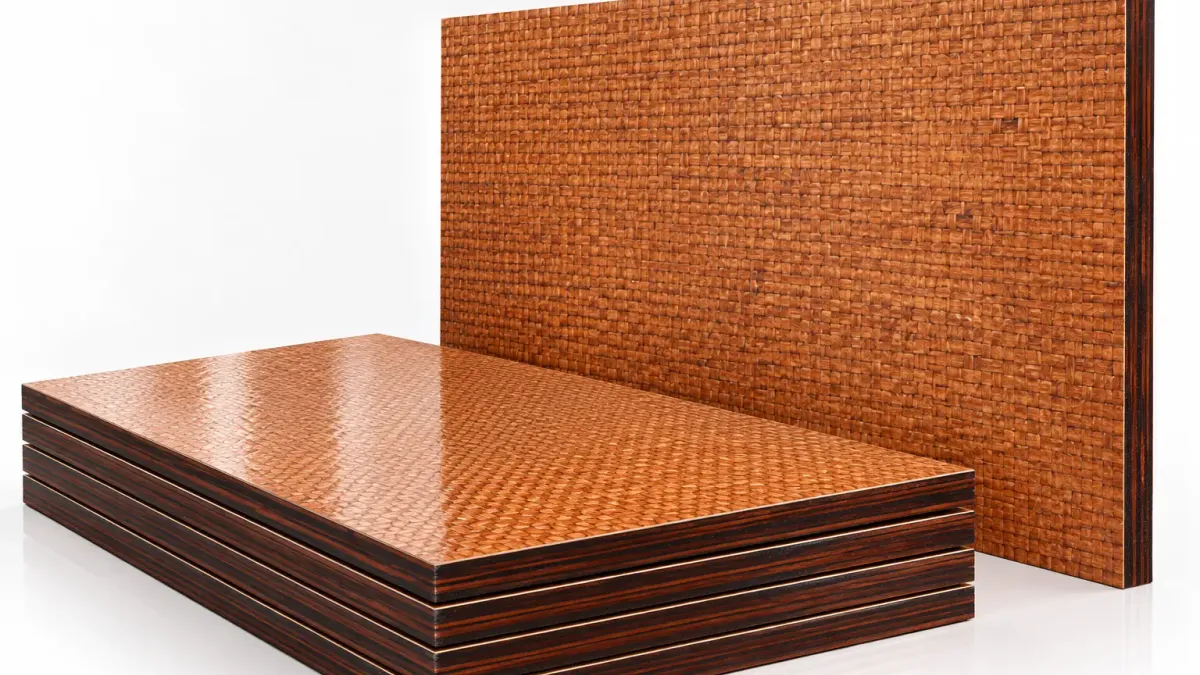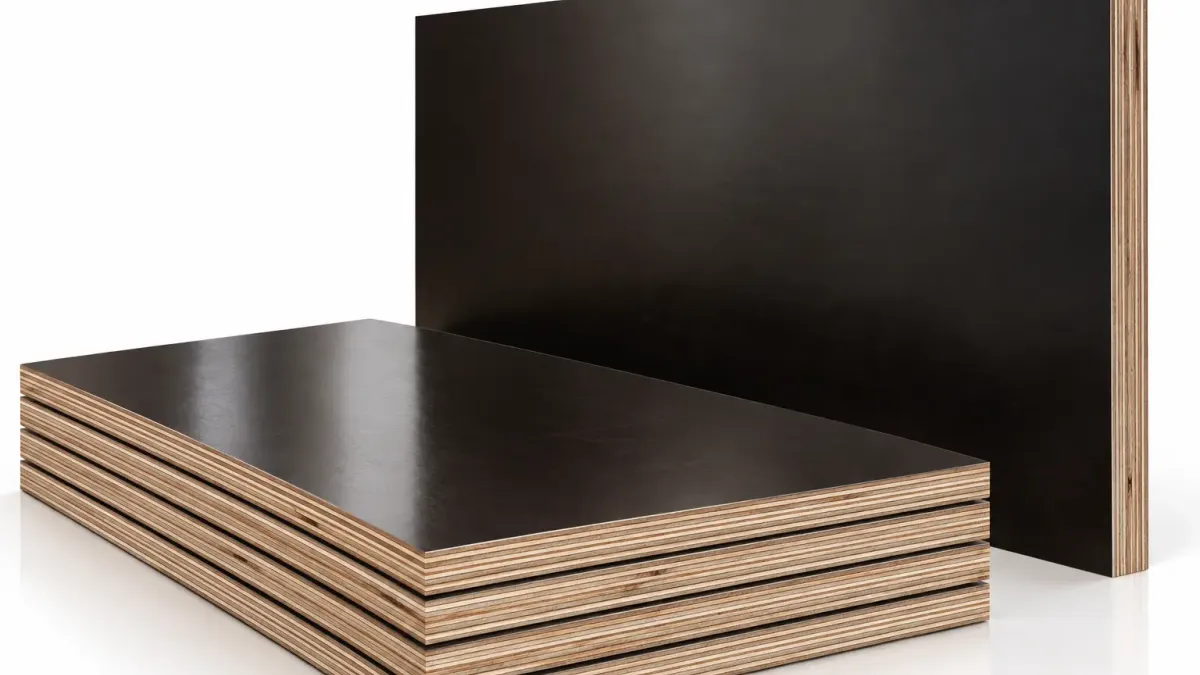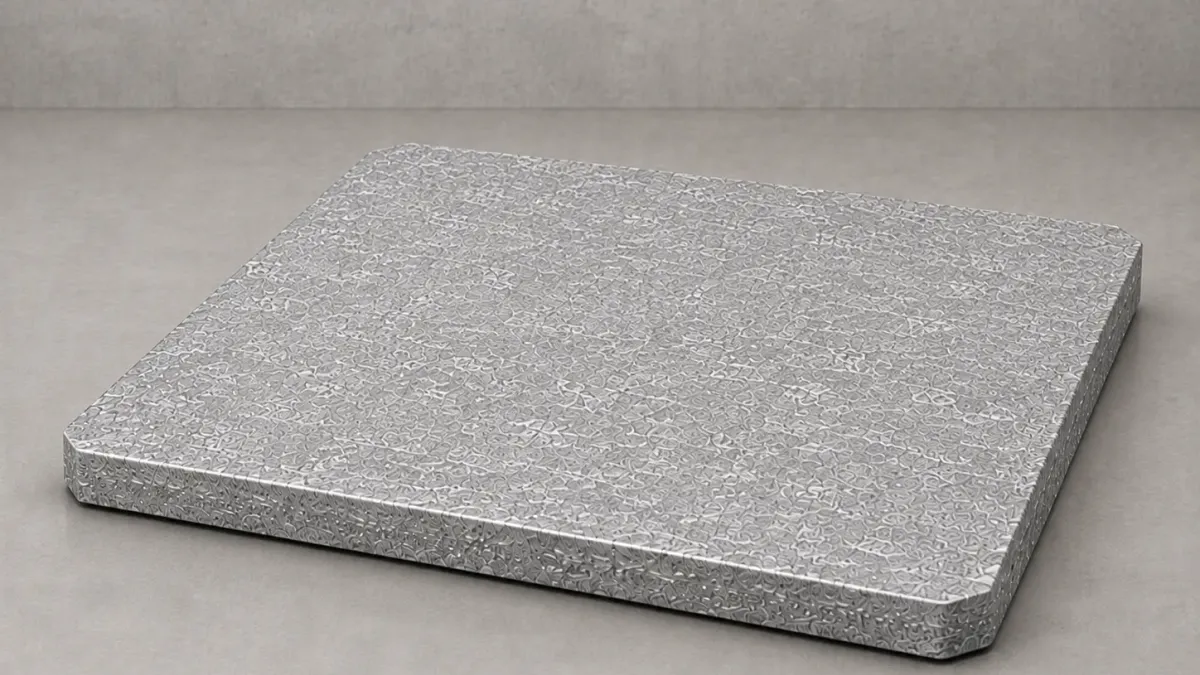
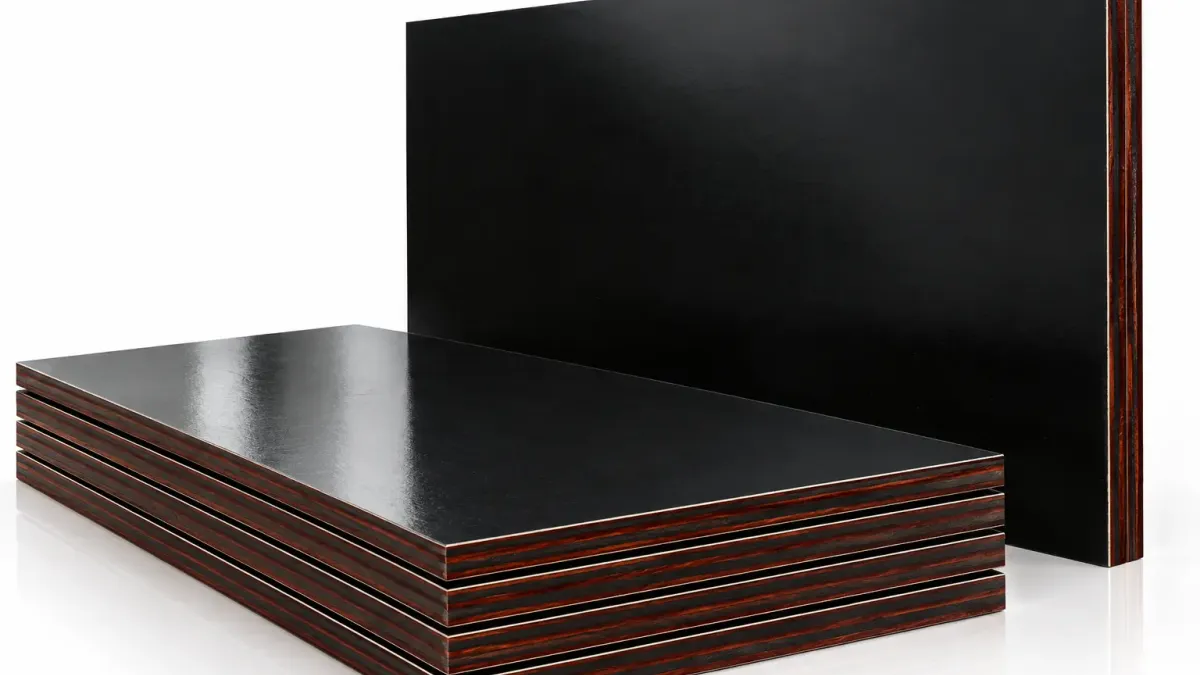
A good film faced shuttering board is rated for a certain number of repetitions, but that rating assumes proper handling. On many sites, boards are retired after half their rated life, not because of the board but because of how it was cut, fixed, stripped and stored.
These 12 practices are simple, cost almost nothing, and can noticeably increase the number of pours you get from each sheet.
Key Takeaways
- Water entering through cut edges is the number one cause of early failure; seal every cut immediately.
- Use a proper mould release agent in a thin, even coat, never waste oil or diesel.
- Strip with wooden or plastic wedges and never lever directly against the film face.
- Store boards flat, off the ground, covered and face-to-face.
Why Shuttering Plywood Fails Early
Almost every early failure traces back to one of five things:
- Edge water ingress: unsealed cut edges absorb water, the veneers swell and the film lifts.
- Film damage from nails, crowbars, vibrator needles or dragging boards.
- Poor release: concrete bonds to the face and tears the film when stripped.
- Impact from dropping boards from height.
- Bad storage in sun, rain or on uneven ground.
Before the First Pour (Practices 1–3)
1. Seal every cut edge immediately
Factory edges are sealed, but every site cut exposes raw veneer. Apply an edge sealant or acrylic paint to the cut edge the same day, before the board meets water or concrete.
2. Use the right release agent
Apply a purpose-made mould release agent in a thin, even coat. Too much leaves stains and blowholes; too little lets concrete stick. Avoid waste oil and diesel: they stain concrete and degrade the film.
3. Plan cuts to reduce waste
Plan the layout so full sheets are used wherever possible and cut pieces are reused in the same position on each floor.
During Fixing and Pouring (Practices 4–6)
4. Fix from behind, not through the face
Every nail hole through the film is an entry point for water. Where possible fix from the back with screws or clamps, and keep fixings near the edges.
5. Keep vibrators off the face
A poker vibrator touching the board will burn and scratch the film. Train operators to keep the needle inside the concrete.
6. Never drop boards
Corners and edges crack when boards are thrown down from scaffolds. Lower them by hand or with a crane.
Stripping and Cleaning (Practices 7–9)
7. Strip at the right time, with the right tools
Follow the structural engineer's stripping time. Use wooden or plastic wedges; a crowbar levered directly against the film tears it.
8. Clean immediately
Remove concrete residue the same day with a soft scraper and water, while it is still soft. Never use wire brushes or grinders on the face.
9. Inspect and repair
Check each board after stripping. Re-seal edges, fill holes with a suitable filler and remove badly damaged boards before they spoil the concrete finish.
Storage (Practices 10–12)
10. Store flat and off the ground
Stack boards flat on at least three level bearers so they do not bow or sit in water.
11. Cover from sun and rain
UV and alternating wet/dry cycles age the film and the edges. Use a tarpaulin with airflow underneath.
12. Stack face-to-face
Placing film faces together protects them from grit and scratches during storage and transport.
Choose a Board Built for Your Repetition Target
Good handling gets the most from any board, but the starting specification still sets the ceiling.
| Repetition target | Suggested board |
|---|---|
| 20+ | OJA® Mirror Finish Film Faced |
| 30+ | ZIPCO® Calibrated Shuttering (black film) |
| 50+ | ZIPCO® Metallic Shuttering |
| Maximum reuse, heavy RCC | ZIPCO® 100 |
| 30–60+, wet conditions | ZIPCO® Plastic Shuttering Boards |
Frequently Asked Questions
How many times can shuttering plywood be reused?
Which release agent is best for film faced plywood?
Should I seal the edges after cutting shuttering plywood?
Can damaged shuttering plywood be repaired?
Need a bulk quote?
Share your thickness, size, quantity and delivery location. Our trade desk replies with specifications and pricing for domestic and export orders.