The best time to find a problem with plywood is when the truck is still at the gate. Once boards are cut, fixed or poured against, rejection becomes an argument. A site engineer, store keeper or dealer can run these ten checks with a tape, a caliper and a few minutes per lot.
These are acceptance checks, not a substitute for a laboratory test. They catch the obvious problems quickly and give you a basis to ask for the batch report.
Key Takeaways
- Measure thickness at several points on several sheets, not one corner of one sheet.
- Weigh a sample sheet and compare it with the supplier's stated weight for that thickness.
- Check squareness, edges and the film or face before checking anything else.
- Match the batch documents to the delivered sheets and keep one sample sheet aside.
The 10 Checks
1. Count and sizes
Confirm the quantity, grade and sheet size on the delivery note against your order. Standard sheets are 8 × 4 ft.
2. Thickness at several points
With a caliper or vernier, measure each sampled sheet at four edges and the middle. Take sheets from the top, middle and bottom of the stack. Variation within a sheet or across the lot is a sign of poor calibration. ZIPCO® calibrated products are checked to a ±0.15mm tolerance, so differences well beyond that are worth raising.
3. Sheet weight
Weigh a few sheets. For reference, an 8 × 4 ft ZIPCO® Calibrated Shuttering Plywood sheet weighs about 24 kg at 12mm and about 35 kg at 18mm. A sheet much lighter than the stated weight may have a thinner or less dense core.
4. Squareness
Measure both diagonals of a sheet. They should be equal within a few millimetres. Unequal diagonals mean the sheet is out of square and will not fit panels cleanly.
5. Flatness
Lay a sheet on a flat floor and look for twist, bow or lifted corners. Sheets stacked badly or taken from poorly dried stock will not lie flat.
6. Edges and core
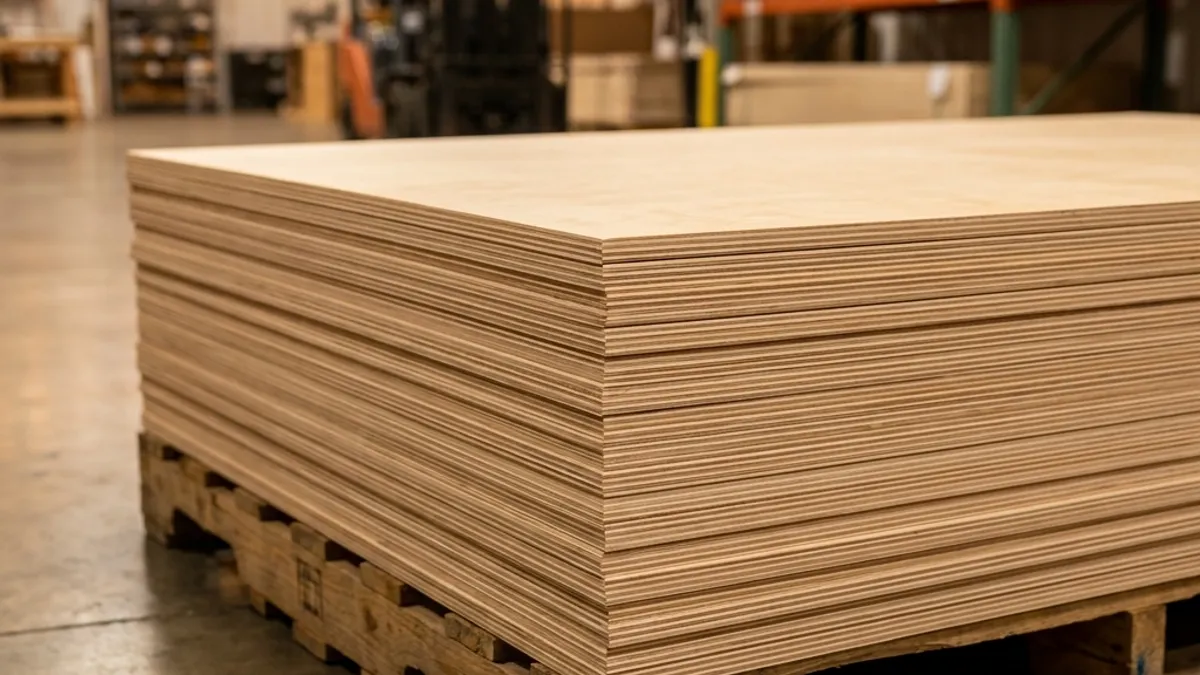
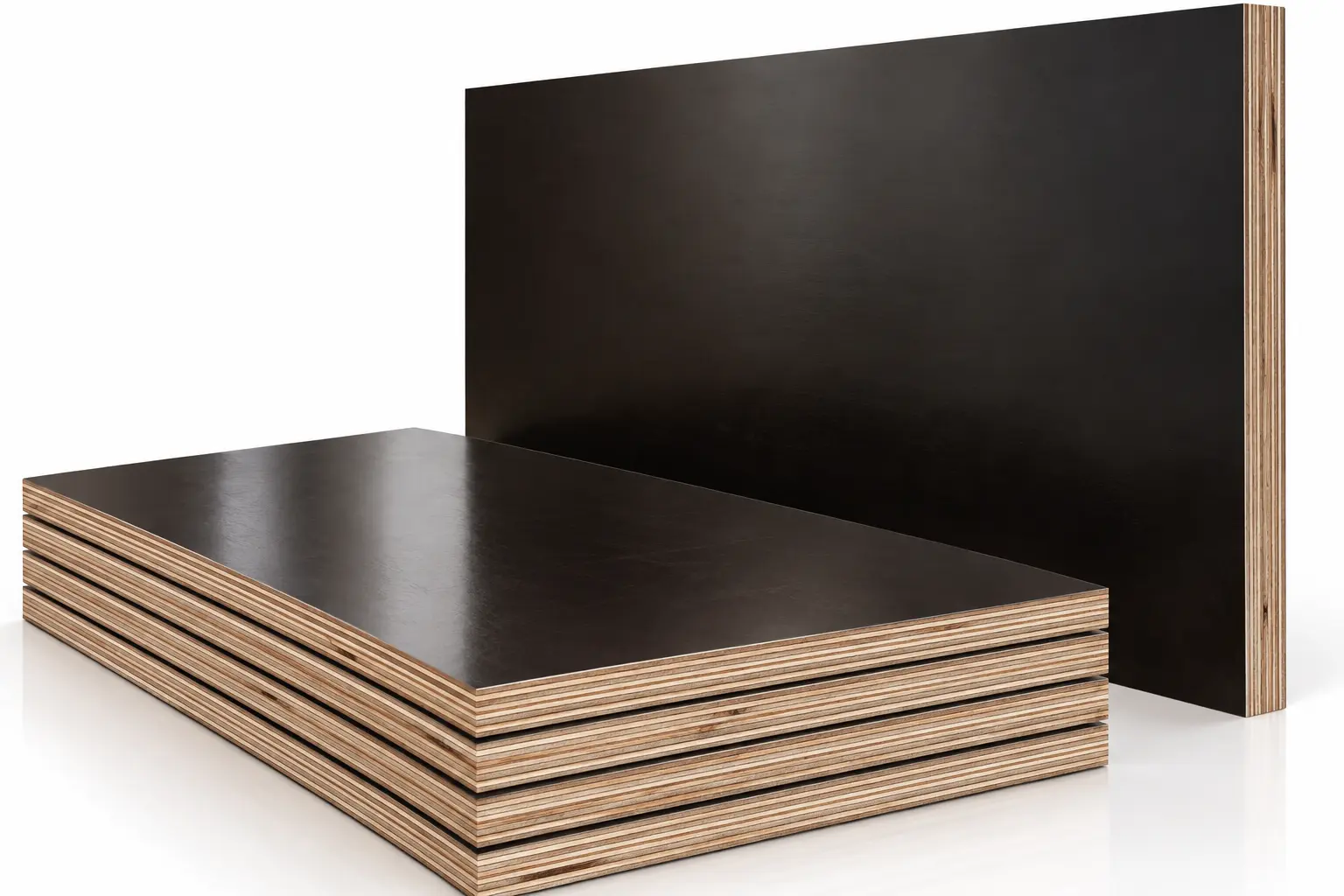
Look at the edge of a sheet. Core veneers should be continuous and tightly bonded with no visible gaps, overlaps or open layers.
7. Tap test for voids
Tap across the face with a knuckle or a small hammer. A uniform, solid sound is good. A hollow or dull change in sound points to a void or poorly bonded area.
8. Surface and film
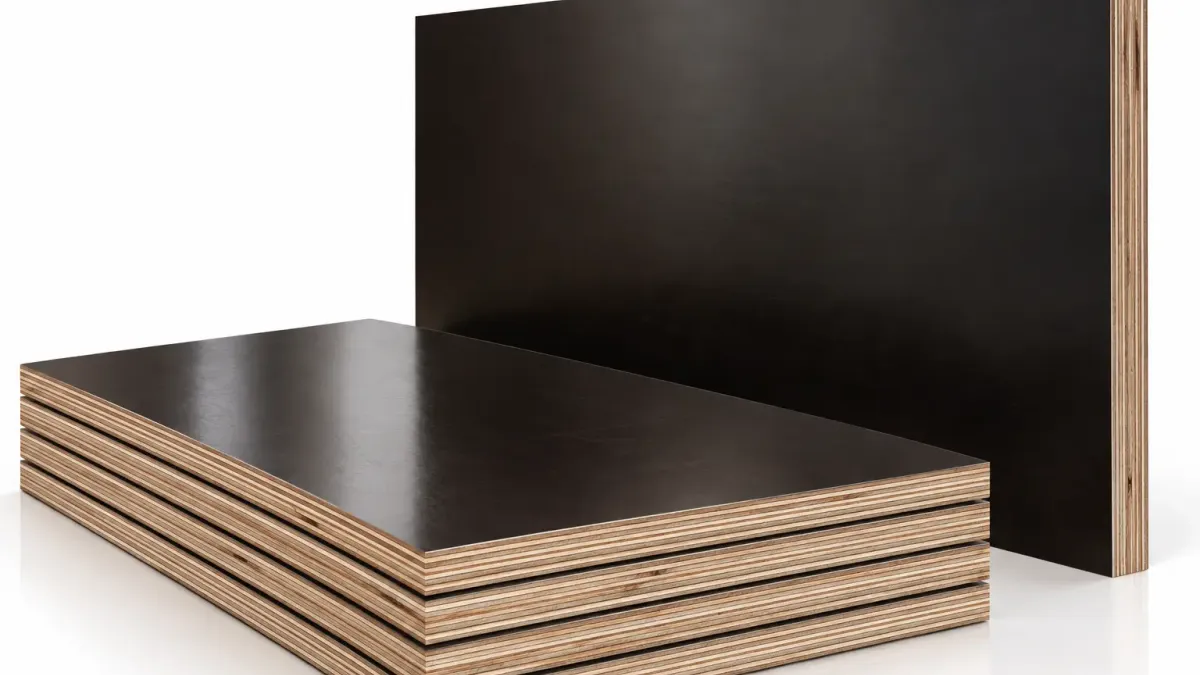
On film faced boards the film should be continuous, with no bubbles, torn spots or colour patches. On interior plywood the face veneer should be clean, with no open splits.
9. Moisture and smell
Boards should feel dry. If you have a moisture meter, check a few sheets; ZIPCO® boards are finished within an 8% to 12% moisture range. A damp board or a musty smell suggests poor storage or transit.
10. Batch documents and markings
Match the batch reference on the sheets or packing with the documents. We provide lab test reports, including boiling water test results and density logs, with every batch. Keep one sample sheet from each lot for later comparison.
An Optional Soak Check (Indicative Only)
For waterproof grades, cut a small offcut, soak it in water for 24 hours, then dry and check the edges and glue lines for separation or heavy swelling. This is an indication only. It is not equivalent to the 72-hour boiling water test, which is done in a laboratory. If a soaked offcut falls apart, do not use the lot and ask for the batch report.
When to Hold or Reject a Lot
- Thickness varies well outside the stated tolerance within a sheet or across the lot.
- Weight is clearly below the stated weight for that thickness.
- Visible voids, open core layers, or hollow sounds across many sheets.
- Film that is torn, bubbled or patchy on film faced boards.
- No batch documents, or documents that do not match the delivered grade.
Photograph the problem sheets, note the batch reference, and hold the lot before any cutting. Understanding the grade you ordered helps: see MR vs BWP plywood and how ZIPCO® products are tested.
Frequently Asked Questions
How can I check plywood thickness on site?
How do I know if plywood has voids inside?
What should an 18mm shuttering plywood sheet weigh?
Can I test waterproof plywood myself?
What documents should come with a plywood delivery?
Need a bulk quote?
Share your thickness, size, quantity and delivery location. Our trade desk replies with specifications and pricing for domestic and export orders.