A shuttering plywood sheet is not a one-time purchase. It is a tool that has to deliver a number of concrete pours, and every pour it fails to deliver is paid for again in sheets, labour and delay. Cheap boards look economical on the quotation, but the cost shows up later on site.
This article lists the six failures contractors see most often with low-grade shuttering plywood, explains the cause of each, and shows what to specify so the board lasts through its rated repetitions.
Key Takeaways
- The right comparison is cost per pour, not cost per sheet: a board that costs 40% more but gives three times the pours is about 53% cheaper per pour.
- Most early failures trace back to four specification points: glue bond, thickness tolerance, film quality and core.
- Thickness variation and film failure also damage the concrete surface, which adds plastering and finishing cost.
- Ask for the grade, rated repetitions and boiling water test results in writing before you compare prices.
Why Sheet Price Is the Wrong Number
Divide the price of a sheet by the number of pours it actually delivers. That is the number that matters.
| Low-grade sheet | Quality sheet | |
|---|---|---|
| Sheet price (relative) | 1.00 | 1.40 |
| Pours delivered (illustrative) | 6 | 18 |
| Cost per pour (relative) | 0.167 | 0.078 |
These figures are illustrative, not a price list. They show the method: when the dearer sheet delivers three times the pours, its cost per pour is roughly half, before counting the labour saved by not replacing boards. Our shuttering plywood price guide shows how to apply this to real quotes.
6 Site Failures Caused by Low-Grade Shuttering Plywood
1. Delamination after a few pours
When the glue bond is not waterproof or is poorly cured, layers separate once the board has been wet and dry a few times. Phenolic (WBP/BWP) bonds are used for shuttering because they hold when wet. The boiling water test exists to check exactly this.
2. Swollen, frayed edges
Unprotected or weak edges absorb water from wet concrete and curing. Swollen edges leave gaps between panels, so cement slurry leaks and the finish suffers.
3. Uneven thickness
If sheets in the same lot vary in thickness, the soffit steps from panel to panel and aluminium or system formwork cannot sit flush. Calibrated plywood is sanded to a controlled thickness for this reason.
4. Film peeling and concrete sticking
A thin or poorly bonded film wears through early. Concrete then bonds to the bare veneer, the board tears when stripped, and the next pour inherits the damaged surface. A higher-GSM film lasts longer and releases cleanly.
5. Voids and soft spots in the core
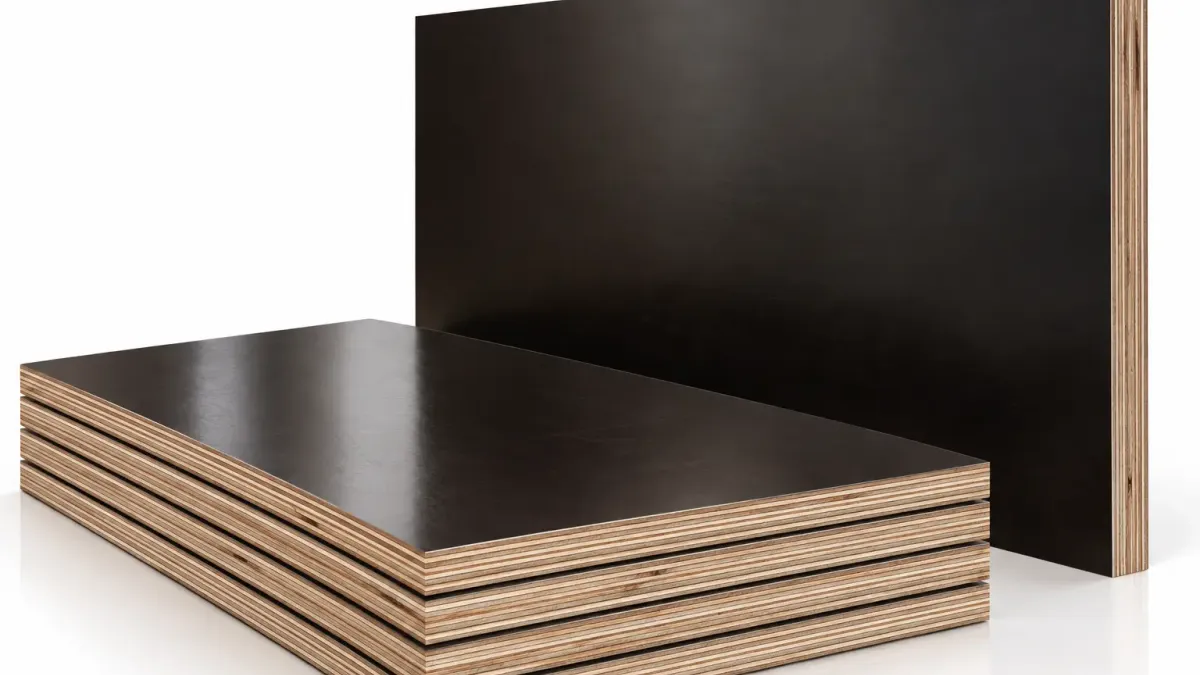
Gaps or overlaps between core veneers create weak spots. A board can look fine and still sag or punch through under a loaded slab.
6. Rework on the concrete surface
Poor surface finish from stepped panels, torn film or leaked slurry means chipping, patching or extra plaster. This cost belongs in the comparison too.
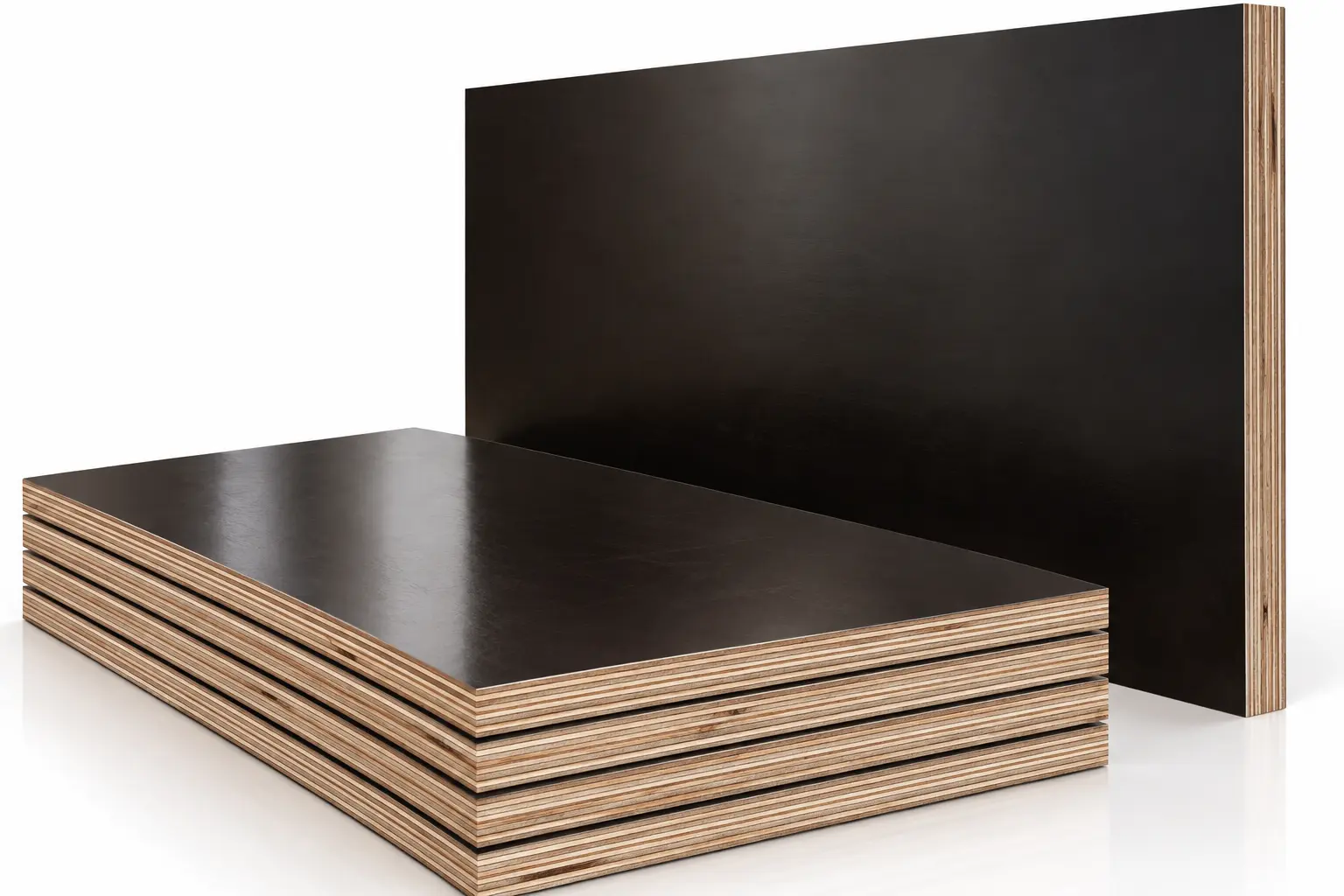
What to Specify Instead
- Glue bond: phenolic formaldehyde, WBP or BWP, not an MR or interior-grade bond.
- Thickness: a stated tolerance and a stated thickness (12mm or 18mm) per lot, so panels sit flush.
- Film: high-GSM phenolic film, with the film type named on the quotation.
- Core: dense hardwood veneers with no gaps. Ask how the core is graded.
- Rated repetitions: a stated figure for your pour method, not "high repetition".
- Test results: boiling water test and batch quality documents supplied with the order.
See 12mm vs 18mm to choose thickness, and how to check plywood quality at delivery to verify the lot when it arrives.
How ZIPCO® and OJA® Shuttering Grades Map to These Points
| Grade | Specification highlights | Rated repetitions |
|---|---|---|
| OJA® Mirror Finish | Eucalyptus hardwood core, BWP phenolic bond, mirror film | 20+ |
| ZIPCO® Calibrated Shuttering | Precision-calibrated thickness, higher-GSM black film, waterproof bond | 30+ |
| ZIPCO® Metallic Shuttering | Metallic film face, phenolic BWP bond | 50+ |
| ZIPCO® 100 | High-density hardwood veneers, phenolic WBP bond | High repetition, for heavy RCC |
| ZIPCO® Plastic Shuttering Boards | Solid plastic, 100% waterproof, no swelling | 30–60+ |
Repetitions depend on pour method, release agent, stripping practice and storage. Our 12 site practices explain how to reach the upper end of each range. For the full comparison, see the shuttering plywood range.
Frequently Asked Questions
Is more expensive shuttering plywood always better?
Why does shuttering plywood delaminate?
Does thickness variation really matter?
How many pours should I expect from ZIPCO® shuttering plywood?
Can I get test reports before ordering?
Need a bulk quote?
Share your thickness, size, quantity and delivery location. Our trade desk replies with specifications and pricing for domestic and export orders.