A brick or block machine is only as good as the pallets under it. A pallet that is slightly out of flat, too thin or too soft changes the height of every block it carries, and the loss shows up as rejects, chipped edges and unplanned stops.
Pallets from different suppliers can look almost identical and still last very different lengths of time. These eight checks help you tell them apart before you order a full set.
Key Takeaways
- Check flatness, thickness and size first; they affect block quality from the first cycle.
- Material density and reinforcement decide how long a pallet stays flat under vibration.
- Ask for a stated service life per pallet type and run a sample through a full production and curing cycle.
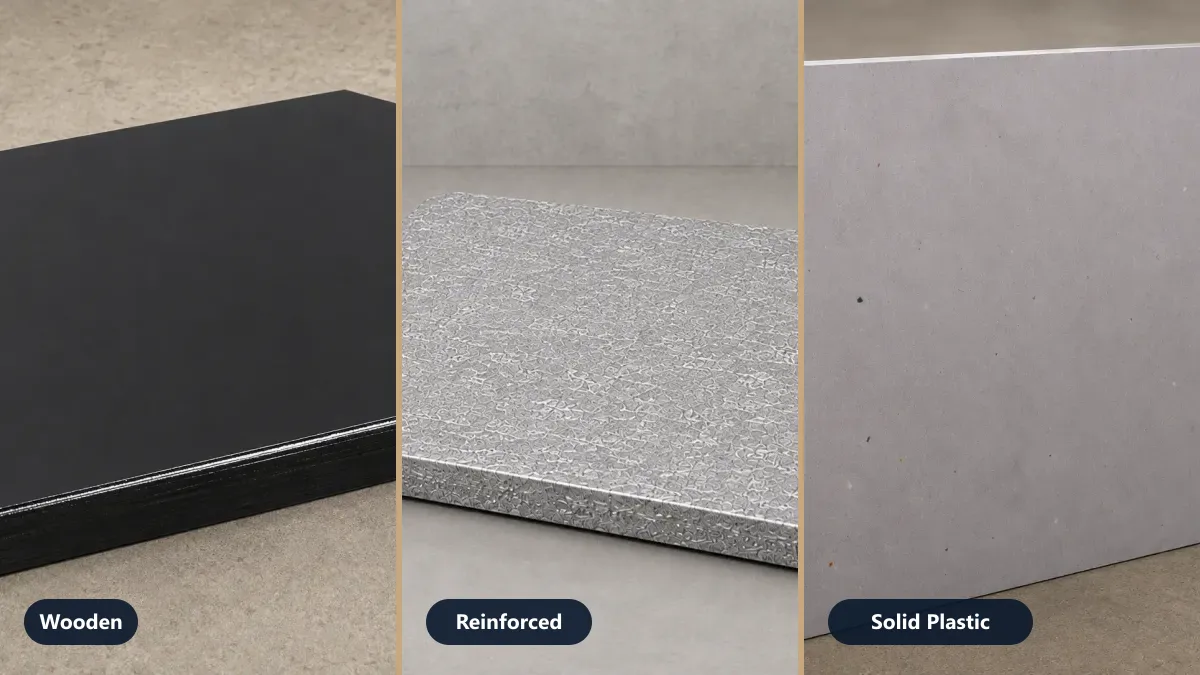
- Match pallet type to your block: wooden and solid plastic for fly ash bricks, metal or steel reinforced for pavers and hollow blocks.
8 Checks Before You Buy
1. Flatness
Place the pallet on a flat surface and lay a straight edge across it in both directions. Look for any gap or rocking. A pallet that is not flat when new will only get worse.
2. Thickness for your load
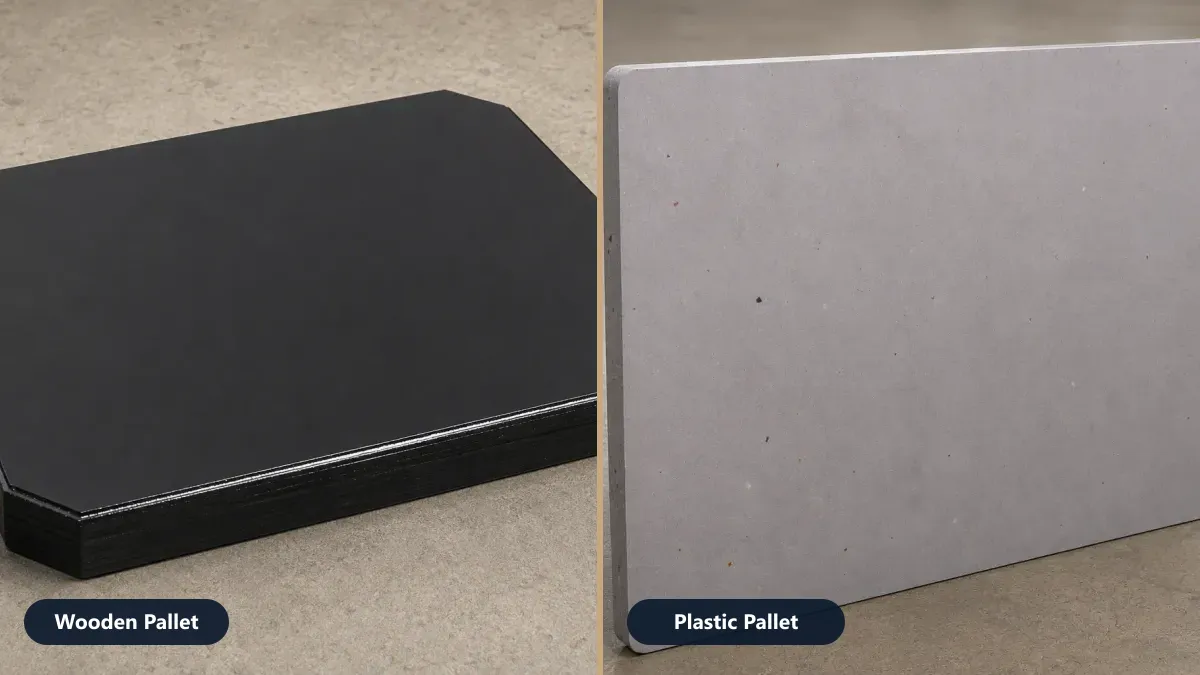
Thickness must match block weight, number of blocks per cycle and vibration. ZIPCO® solid plastic pallets range from 8 to 30mm and wooden pallets from 18 to 40mm. Share your machine details instead of picking by price.
3. Material density
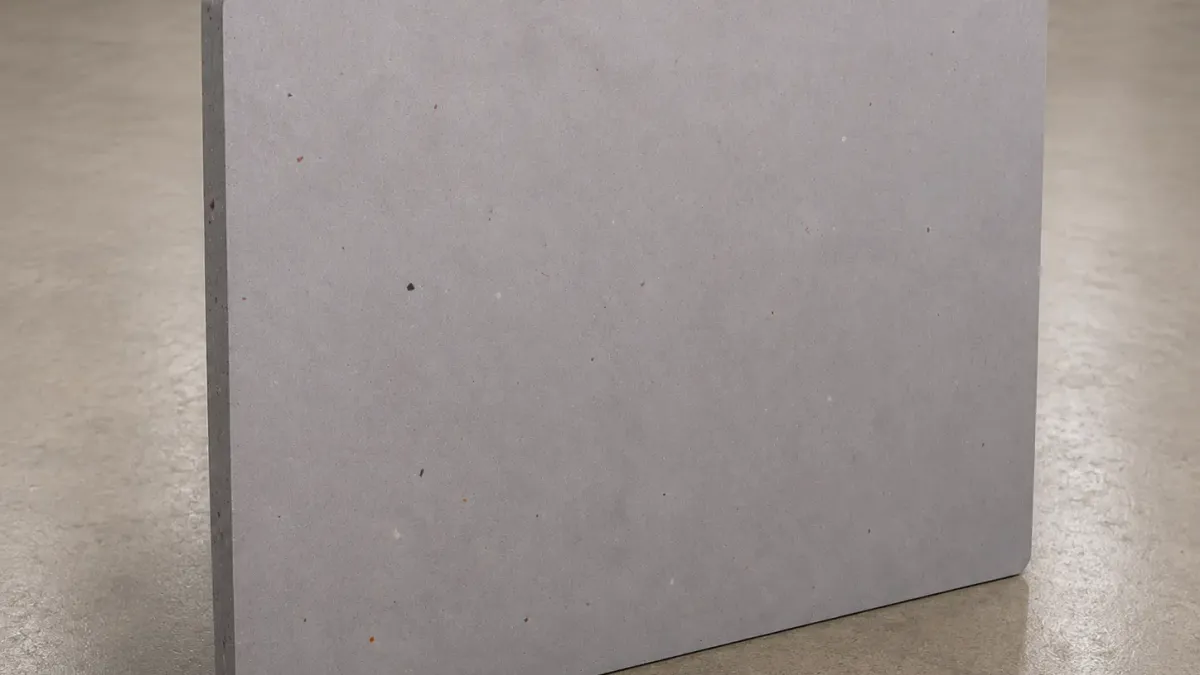
For plastic pallets, density is a direct signal of stiffness. ZIPCO® solid plastic pallets use LDPE with aluminium oxide at 1.40 g/cm³. Ask any supplier for the density figure, and be cautious if they cannot give one.
4. Water behaviour
Pallets sit in wet mix and in curing for hours. Plastic should not absorb water at all. Wooden pallets need a protective black film and sealed, steel-protected edges, or they swell and warp.
5. Reinforcement
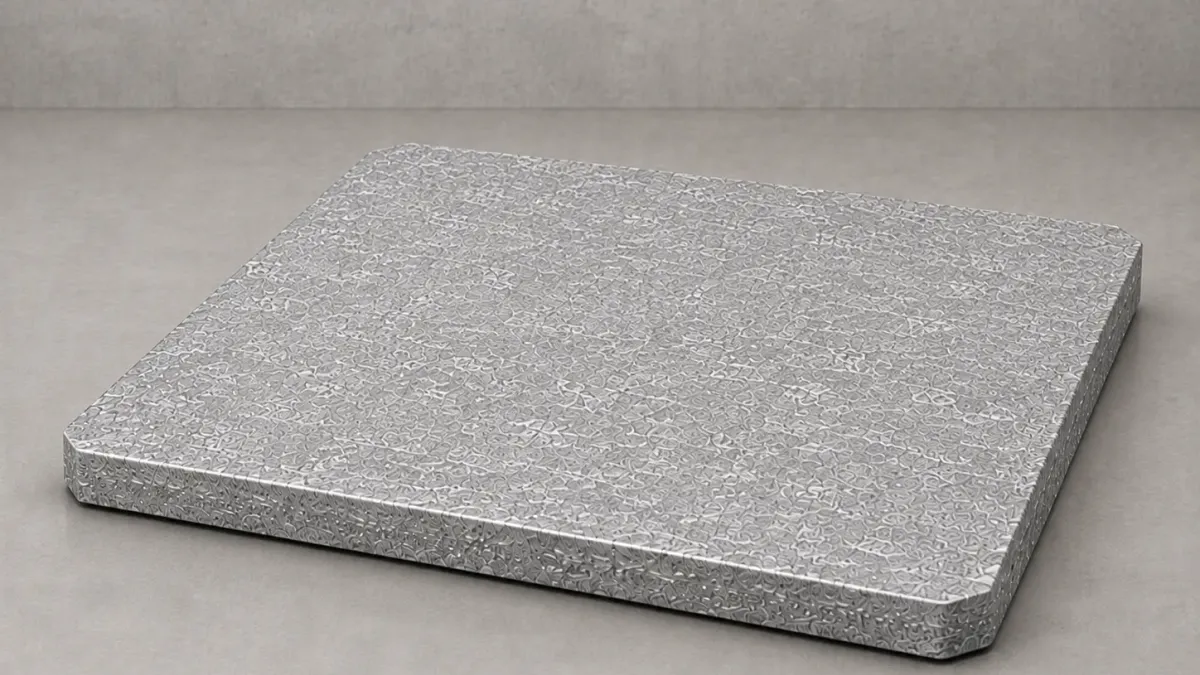
For heavier blocks, pavers and hollow blocks, look for integrated reinforcement rather than thickness alone. Steel reinforced pallets use 9–12mm steel tubes with a 2.5–3.0mm wall, and metal reinforced pallets use moulded plastic with integrated metal reinforcement.
6. Edges and corners
Corners take forklift and conveyor impact. Check for sealed or steel-protected edges on wood and for clean, uncracked corners on plastic.
7. Exact size match
Measure your current pallet and compare it with the new one in length, width and thickness. Even small differences cause feeding and stacking problems. Pallets can be made to your machine's size.
8. A written service life and a sample trial
Ask for the expected life of each type and run a sample through a complete production, curing and stacking cycle before ordering in bulk.
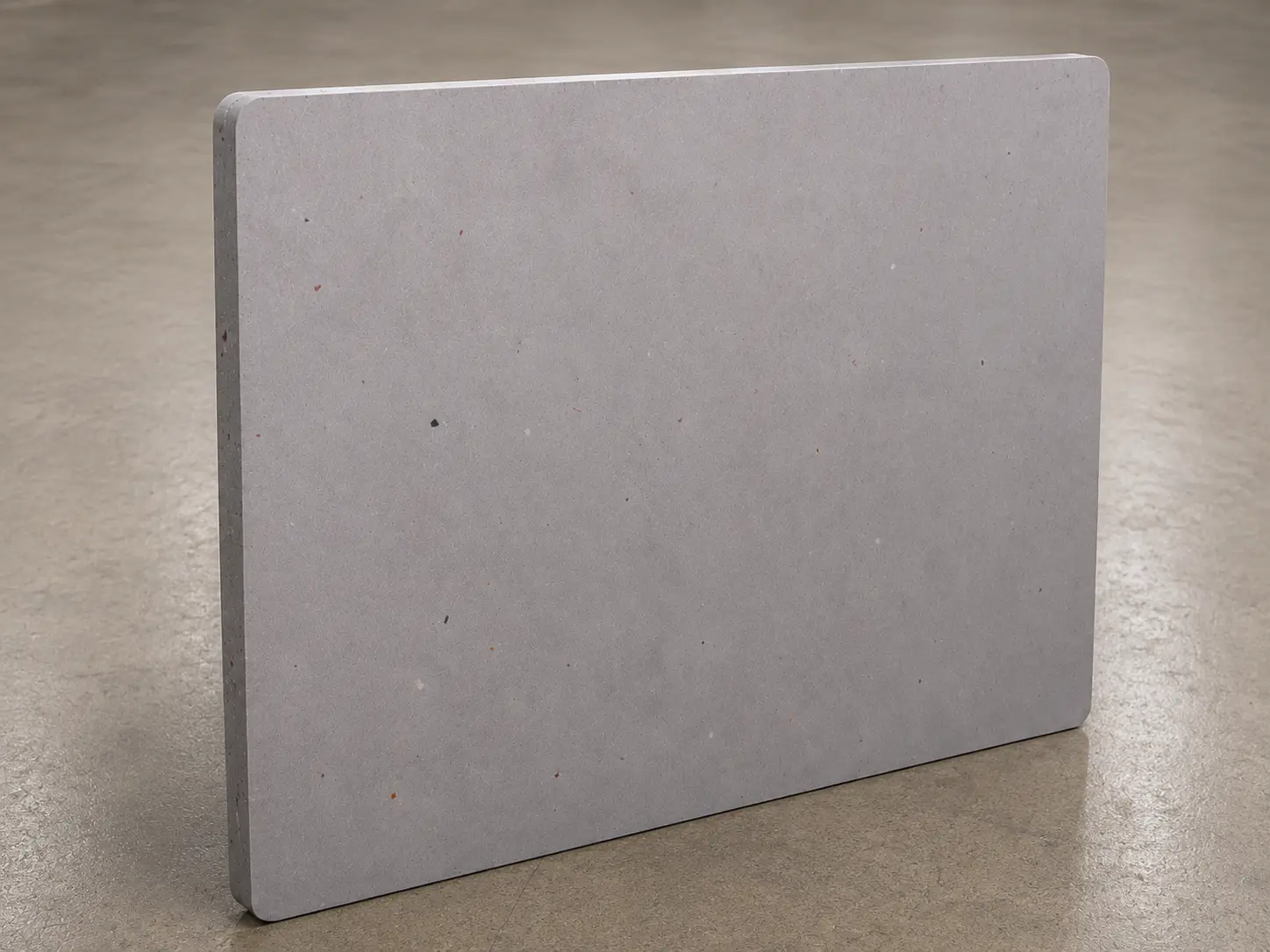
Matching the Pallet Type to Your Machine and Block
| If you make | Consider | Rated life |
|---|---|---|
| Standard fly ash bricks, budget start-up | Wooden pallet | Depends on care and moisture |
| Bricks with water or steam curing | Solid plastic pallet | 5–10 years |
| Interlocking pavers, heavier blocks | Metal reinforced pallet | 5–6 years |
| Hollow blocks, high vibration | Steel reinforced pallet | 7–8 years |
Rated life assumes suitable operating conditions. For a cost comparison over several years, see plastic vs wooden brick pallets.
Red Flags When Comparing Quotes
- No thickness, density or material stated, only "heavy duty".
- A price far below others with no explanation of material or reinforcement.
- No sample available for a trial run.
- No answer when you ask about service life for your block type.
- A single pallet type recommended for every machine and every block.
If pallets you already own are bending or cracking, read why fly ash brick pallets bend or crack to find the cause before choosing a replacement.
Frequently Asked Questions
How do I know if a plastic brick pallet is good quality?
Which pallet lasts longest?
Is a thicker pallet always better?
Can I get a sample pallet before a bulk order?
Need a bulk quote?
Share your thickness, size, quantity and delivery location. Our trade desk replies with specifications and pricing for domestic and export orders.