There is no single best formwork. Aluminium systems, plywood formwork and plastic boards each win in different projects. This article compares them on the factors that decide a choice: repetition, shape, speed, finish, handling and cost per use.
Many projects also mix them: plywood panels fitted into aluminium frames, or plywood for odd shapes next to a system.
Key Takeaways
- Aluminium suits highly repetitive layouts where the same panels are reused many times.
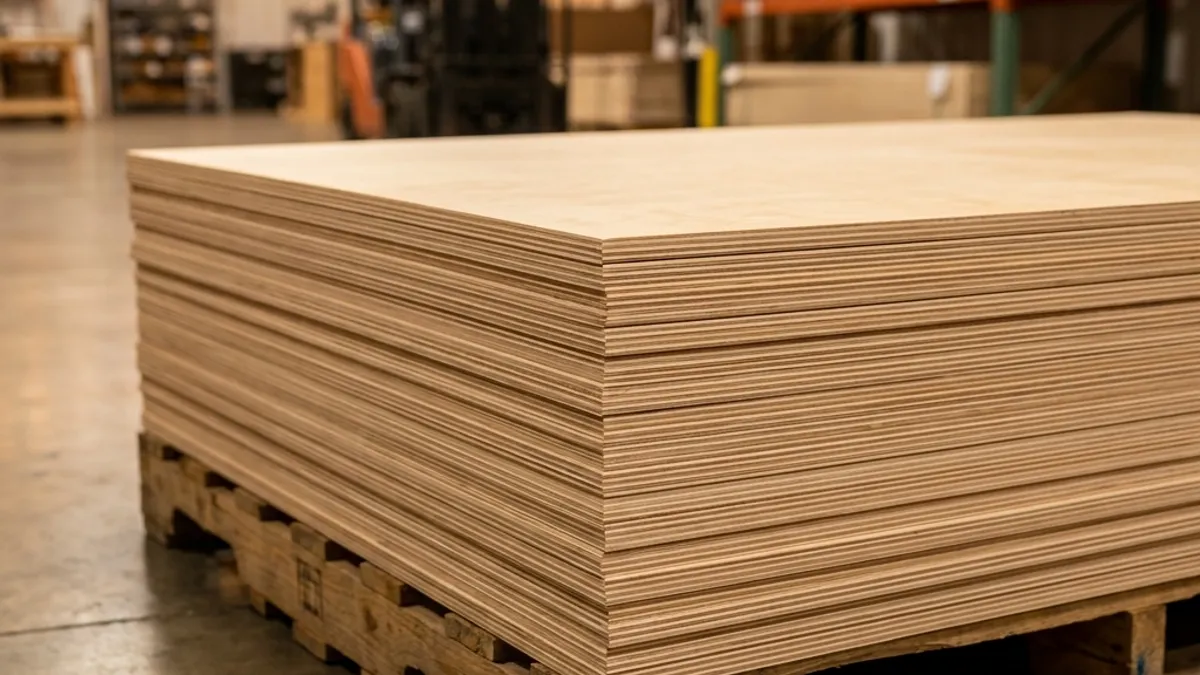
- Plywood formwork suits irregular shapes, changes in plan and smaller or varied projects.
- Calibrated plywood fits into system frames where uniform thickness is needed.
- Compare total cost per pour, including labour, cycle time and replacement.
Side-by-Side Comparison
| Factor | Aluminium formwork | Plywood formwork | Plastic boards |
|---|---|---|---|
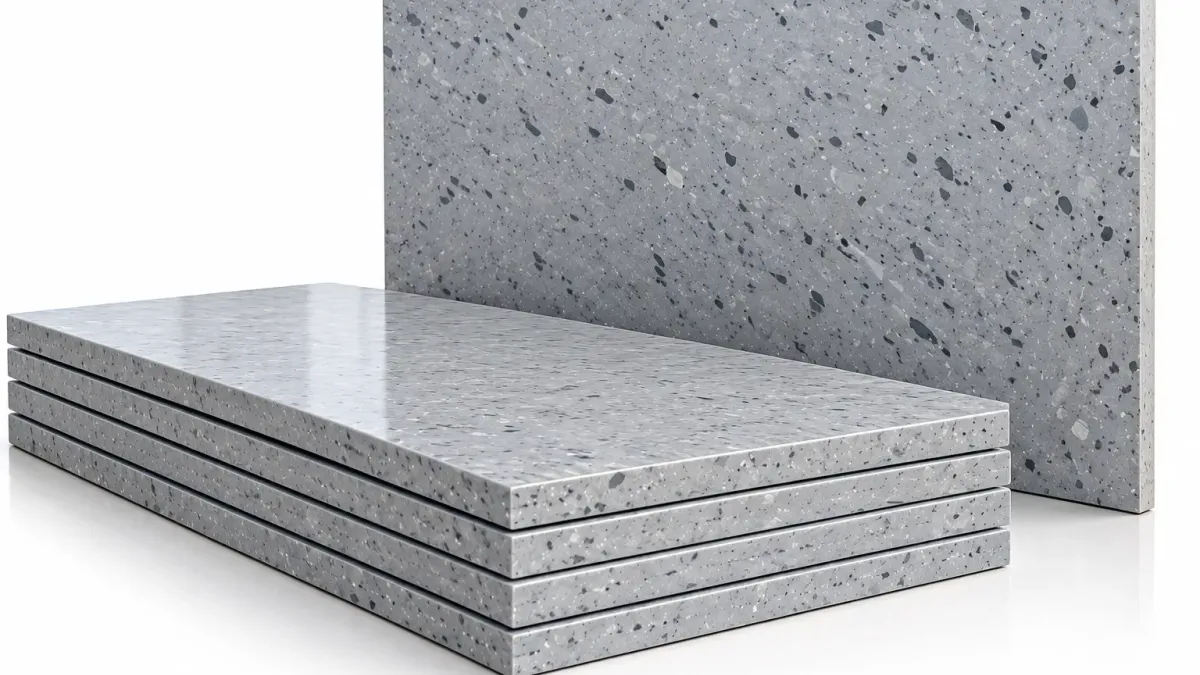
| Best layout | Highly repetitive, standard plans | Varied and irregular shapes | Repetitive slabs, wet sites |
| Flexibility | Limited once panels are made | Cut and adjust on site | Cut and fix on site |
| Upfront investment | High | Lower | Moderate |
| Water behaviour | Unaffected by water | Needs a waterproof bond and sealed edges | Waterproof, no swelling |
| Reuse | Very high with care | 20+ to 50+ depending on grade | 30–60+ repetitions |
Costs and speed vary by project, region and contractor, so these are qualitative. Ask for a cost-per-pour comparison on your own drawings.
When Aluminium Formwork Fits
- Many identical floors or units, so the investment is spread over many uses.
- A planned, fast floor cycle with trained crews.
- Standard layouts that will not change after panels are made.
When Plywood Formwork Fits
- Varied plans, curved or odd shapes and frequent changes.
- Smaller projects where a custom system is not justified.
- Infill and edge areas next to a system, where panels must be cut to fit.
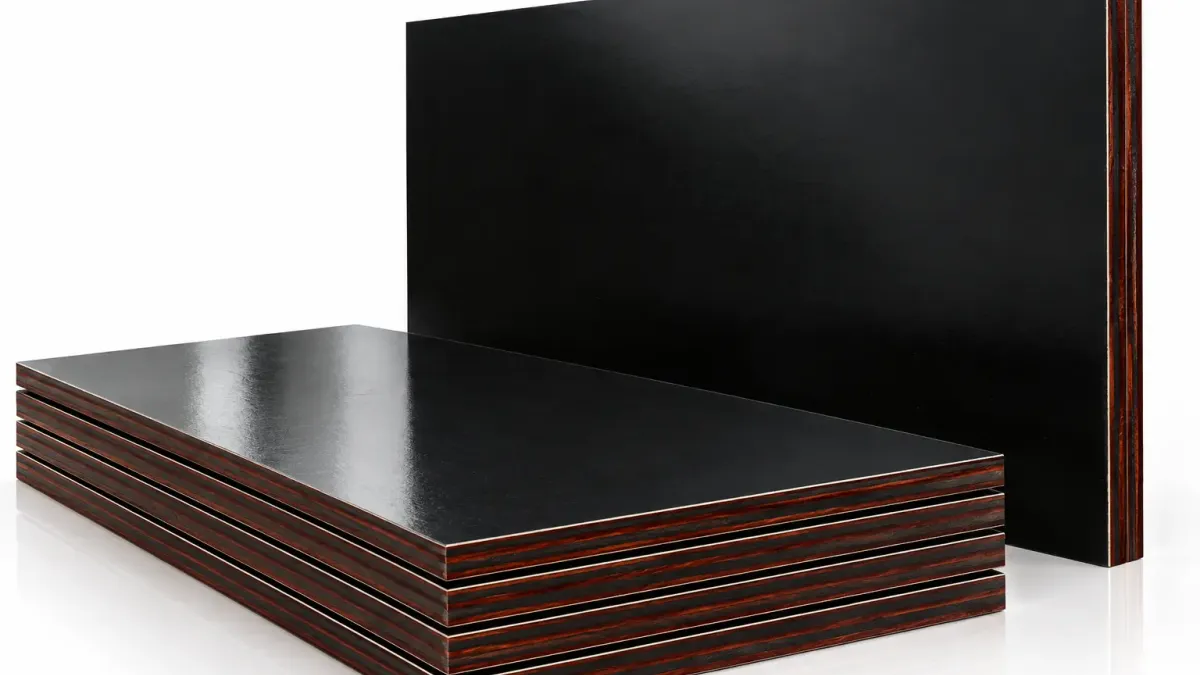
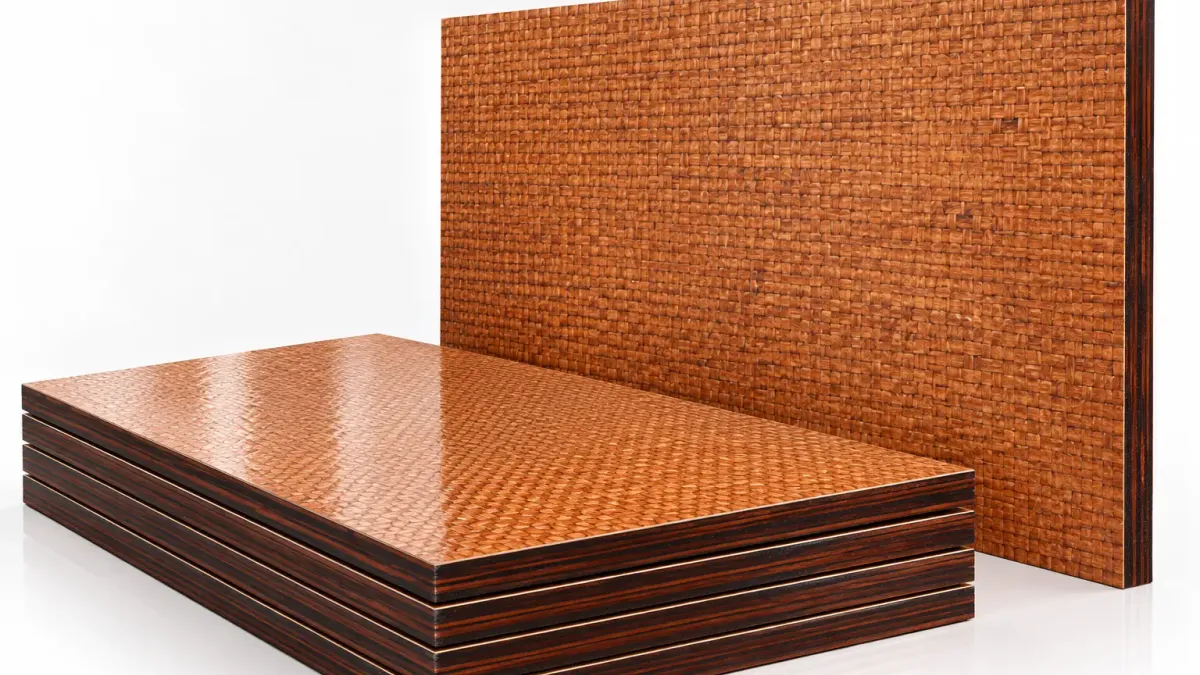
Choose the grade by repetitions and finish: calibrated black film for system fit, metallic film for high reuse, or mirror finish for fair-faced concrete. See black vs brown film for what actually matters.
Plywood Inside Aluminium Systems
Some aluminium and scaffolding systems use plywood panels in aluminium frames. These need uniform thickness so panels sit flush and joints stay tight. That is the case calibrated shuttering plywood is made for. Read the full concrete formwork guide for a plywood vs plastic comparison.
Frequently Asked Questions
Is aluminium formwork better than plywood formwork?
Can plywood be used with aluminium formwork?
Which is cheaper, aluminium or plywood formwork?
How many times can plywood formwork be reused?
Need a bulk quote?
Share your thickness, size, quantity and delivery location. Our trade desk replies with specifications and pricing for domestic and export orders.